How to Apply Glyphosate Weed Killer
Learn how to apply glyphosate weed killer correctly, including preparation, spraying conditions, application tips and common mistakes to avoid.
Applying Glyphosate weed killer correctly is just as important as choosing the right product. Whether you’re using 360g/L Glyphosate Weedkiller Concentrate, Gallup Home & Garden Glyphosate Weedkiller or a Ready-to-Use Glyphosate Weed Killer, the application method and conditions can have a major impact on the results.
One question we regularly hear from customers is why their glyphosate treatment hasn’t worked as expected. In our experience, the problem is often not the product itself, but the conditions in which it was applied.
Glyphosate works best when weeds are actively growing and have healthy green foliage. Applying it during prolonged drought, extreme heat or when weeds are struggling to grow can reduce uptake and limit the effectiveness of the treatment. Cutting or disturbing weeds too soon after application can also reduce the amount of product available to move through the plant.
When applied correctly, glyphosate is absorbed through the leaves and transported throughout the plant, providing systemic control of the visible growth and root system. This makes glyphosate products particularly useful for controlling unwanted vegetation on patios, driveways, gravel, paths and other areas where total vegetation control is required.
For larger areas, a concentrated product such as 360g/L Glyphosate Weedkiller Concentrate can be diluted according to the product label, while Ready-to-Use Glyphosate Weed Killer provides a convenient option for smaller areas and spot treatments.
Because glyphosate is non-selective, always take care around desirable plants and never use it across an established lawn, as it can also kill grass. Always follow the individual product label for application rates, timing and safety instructions.

The Quick Answer...
For the best results when using glyphosate weed killer:
- Choose a dry, calm day
- Spray actively growing weeds
- Apply evenly to the leaves without excessive run-off
- Avoid rain shortly after application
- Leave weeds undisturbed for at least 7–14 days
- Remove dead weeds only after the herbicide has fully worked
Following these simple steps helps maximise root kill and reduces the need for repeat applications.
In This Guide
In this guide, we’ll explain:
- When to apply glyphosate
- How to prepare before spraying
- The correct application method
- Common mistakes to avoid
- Which Elixir glyphosate product is best for your project
Before You Start
Before applying glyphosate, take a few minutes to check the conditions and make sure you’ve chosen the right product for the job. Whether you’re using a 360g/L Glyphosate Weedkiller Concentrate for larger areas or a Ready-to-Use Glyphosate Weed Killer for smaller spot treatments, correct preparation can make a significant difference to the results.
Before spraying, check that:
- Weeds are actively growing with healthy green foliage
- Rain is not expected within the period specified on the product label
- Wind conditions are light, helping reduce spray drift onto desirable plants
- The product is suitable for the area you’re treating Glyphosate is non-selective, so it can damage or kill desirable plants it comes into contact with
- Children and pets are kept away from the treatment area during application and for the period specified on the label
- The correct application rate is being used, particularly when mixing concentrated products
Always read and follow the individual product label before use, including instructions covering application, dilution, personal protection, re-entry and environmental precautions.
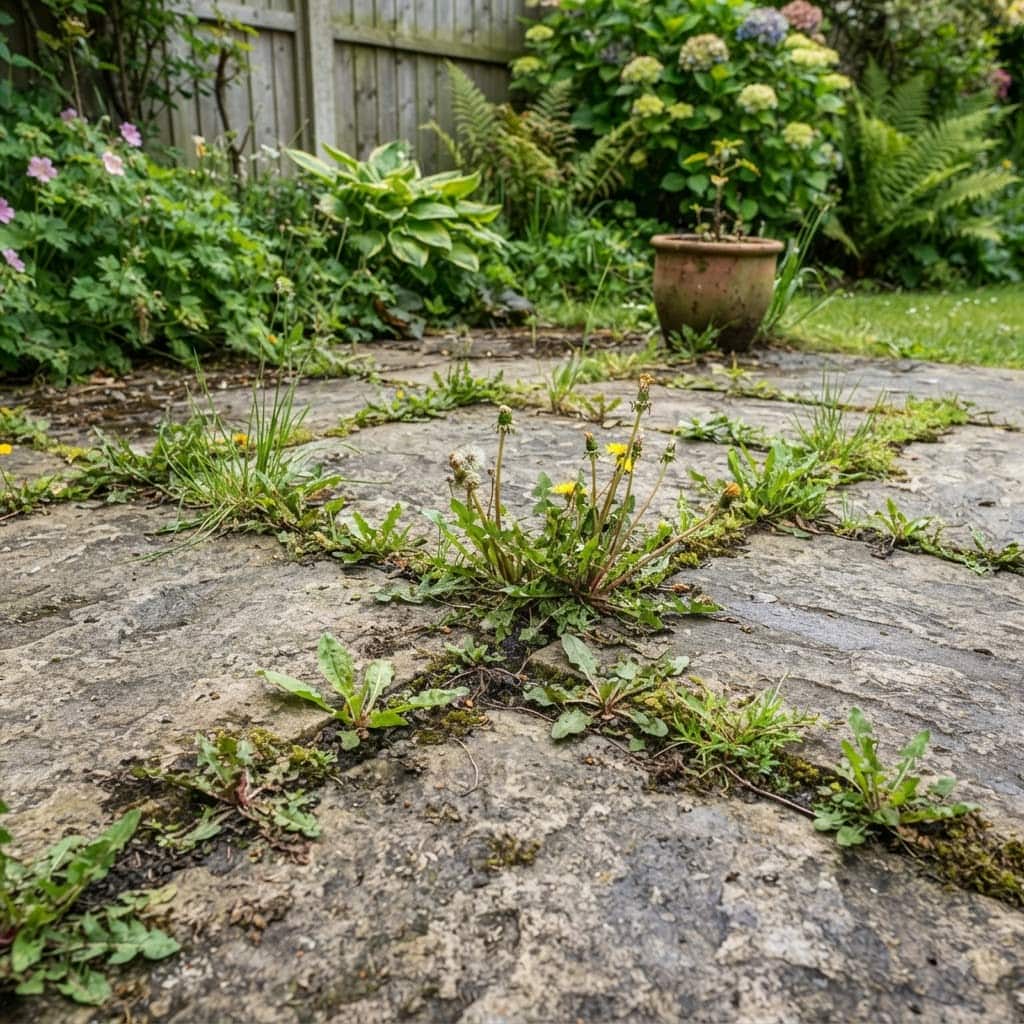
Step 1 – Choose the Right Weather
Weather has a significant impact on glyphosate performance.
Ideal conditions include:
- Dry weather
- Light winds
- Mild temperatures
- Healthy, actively growing weeds
Avoid spraying:
- During strong winds
- Before heavy rain
- During frost
- During prolonged drought when weeds are stressed
One of the biggest differences we see between successful and unsuccessful treatments is weather timing. Waiting a day or two for suitable conditions often produces much better long-term results.
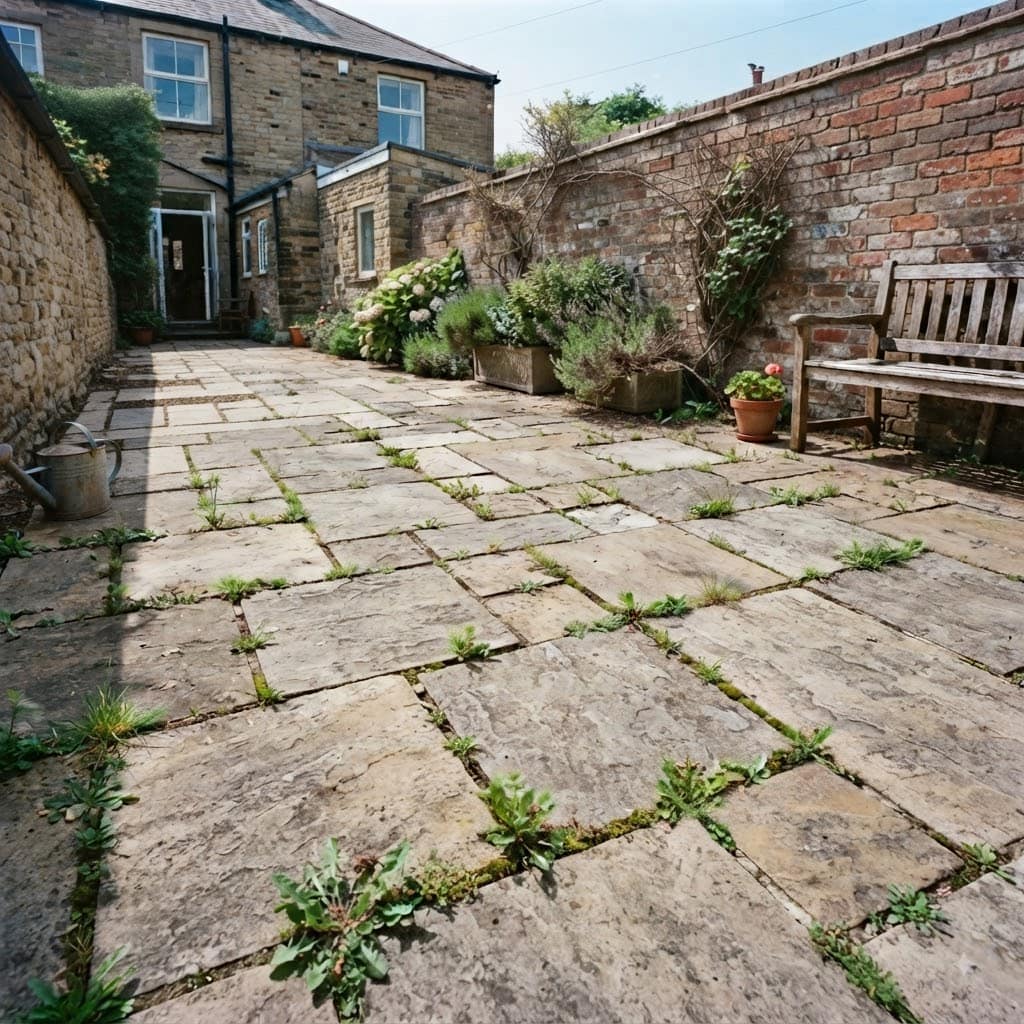
Step 2 – Choose the Right Product
Different weed control jobs can require different glyphosate formulations, so choosing the right product for the area you’re treating can make application easier, reduce unnecessary waste and help you get better value from the treatment.
For small areas or individual weeds, Ready-to-Use Glyphosate Weed Killer provides a convenient solution with no mixing or dilution required. For patios, driveways, gravel areas and larger areas of unwanted vegetation, 360g/L Super Concentrated Glyphosate Weedkiller provides a concentrated option that can be diluted according to the product instructions.
For gardeners looking for a larger-capacity solution for bigger gardens and regular weed control, Gallup Home & Garden Glyphosate Weedkiller offers a practical option for treating unwanted vegetation across suitable areas.
Choosing the formulation that matches the size and type of job means you can apply the appropriate amount of product where it is needed, while avoiding unnecessary treatment. Always check the product label to confirm that the formulation is suitable for your intended application and follow the recommended dilution and application rates.

Step 3 – Prepare the Area
Before spraying:
- Remove toys, furniture and garden equipment if necessary
- Keep children and pets away
- Avoid disturbing the weeds
- Allow plenty of healthy leaf growth
Healthy leaves provide more surface area for the herbicide to be absorbed.
We’ve found that gardeners often spray weeds immediately after trimming them. In reality, waiting for fresh leaf growth usually produces much better control because there’s more foliage to absorb the glyphosate.
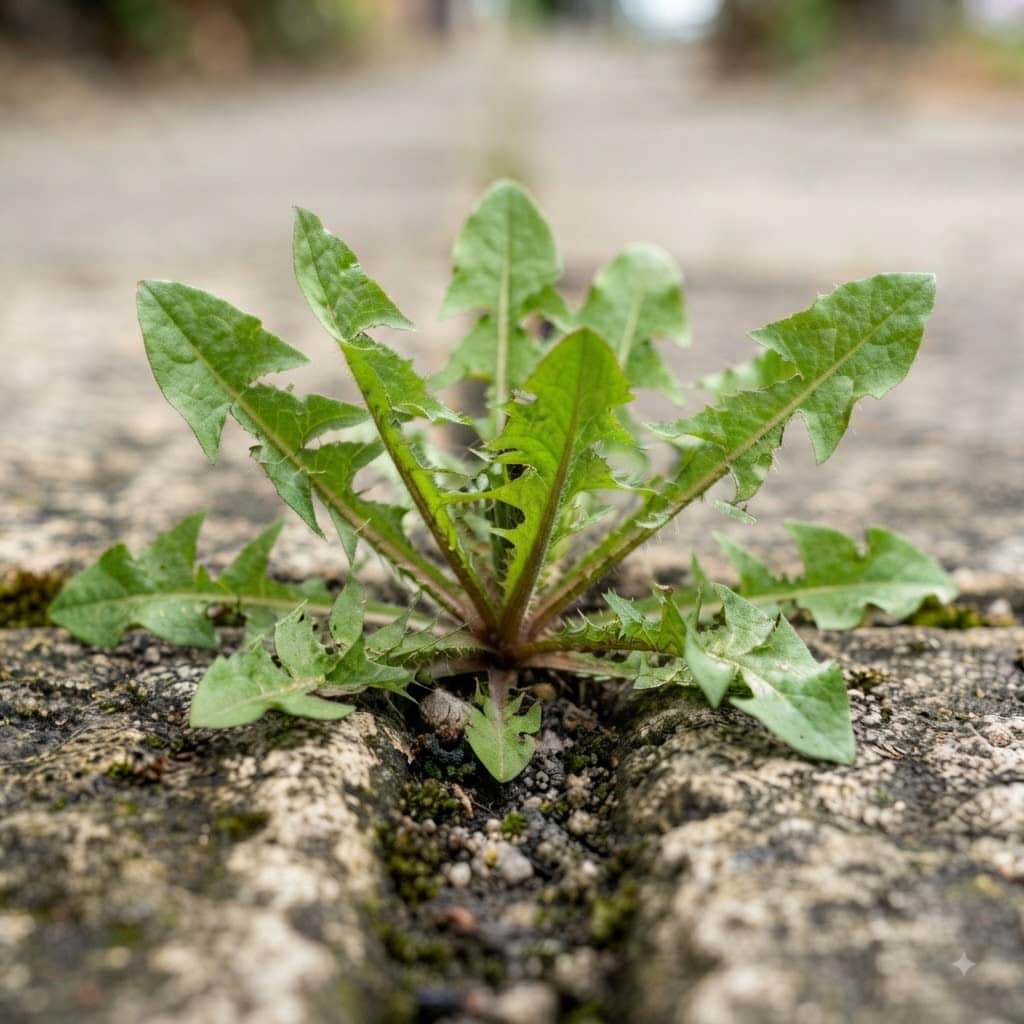
Step 4 – Apply Evenly
Spray directly onto the weed foliage.
Aim to:
- Wet the leaves evenly
- Avoid excessive run-off
- Cover all healthy green growth
- Target only the weeds
Glyphosate works through leaf absorption, so spraying the soil alone will not control established weeds.
Take extra care around:
- Lawns
- Flower beds
- Shrubs
- Trees
- Vegetable crops
Because glyphosate is non-selective, it can damage almost any green plant it contacts.

Step 5 – Leave the Weeds Alone
This is where many treatments fail.
After spraying:
- Do not cut the weeds
- Do not strim them
- Do not dig them out
- Allow the herbicide time to move into the roots
One of the most common reasons customers contact us is because they’ve removed weeds after only a few days.
From our experience, leaving treated weeds undisturbed for at least 7–14 days usually provides much more reliable root kill, especially on established perennial weeds.

Step 6 – Remove Dead Weeds
Once the weeds have completely died back, removing the dead vegetation can help leave the area cleaner and easier to manage. Depending on the size and location of the treated area:
- Pull out dead weeds where they can be easily removed by hand.
- Rake away dead foliage and plant material from lawns, borders and other suitable areas.
- Remove larger roots or stubborn remnants where practical, particularly if you’re preparing the area for planting or reseeding.
- Dispose of unwanted plant material responsibly and avoid adding treated weeds to compost unless the product guidance confirms this is suitable.
- Prepare the area for its next use, whether that means reseeding a lawn, planting new plants or leaving the area clear.
If you’re planning to reseeding a lawn or plant new flowers after glyphosate treatment, don’t assume you can plant immediately. The appropriate waiting period can vary depending on the product and intended use, so always check the individual product label and follow its instructions before disturbing the treated area or planting again.
For lawn repairs, once the relevant waiting period has passed, you can prepare bare areas and consider using Premium Hard-Wearing Grass Seed to help restore a thicker, more even lawn.

How Long Does Glyphosate Take to Work?
The time it takes for glyphosate to show visible results can vary depending on the type of weed, its stage of growth and the weather conditions at the time of application.
Early signs, such as yellowing or wilting leaves, may begin to appear within 2–7 days, while many annual weeds will gradually die back over 1–3 weeks. More established, deep-rooted perennial weeds can take longer, with visible dieback sometimes continuing for 2–4 weeks as the herbicide moves through the plant and towards the root system.
It’s important to remember that glyphosate is a systemic herbicide, so it doesn’t necessarily produce instant results. The active ingredient needs time to be absorbed and transported throughout the plant.
For this reason, slower visible results don’t necessarily mean the treatment has failed. Avoid rushing to reapply another treatment simply because the weeds haven’t died immediately. Give the product sufficient time to work and always follow the individual product label for application and repeat treatment guidance.

Common Mistakes to Avoid
Avoid:
- Spraying before rain
- Applying during windy weather
- Treating dormant weeds.
- Spraying immediately after mowing or strimming
- Cutting weeds too soon after treatment
- Applying more product than recommended
- Using glyphosate on established lawns
Most application problems are caused by timing rather than the herbicide itself.
360g/l Glyphosate Weedkiller Concentrate
Best for:
- Patios
- Driveways
- Gravel
- Fence lines
- Large areas of unwanted vegetation
Why choose this product?
Where complete vegetation control is required, a systemic Glyphosate concentrate is often the better option. It works by being absorbed through the leaves and moving throughout the plant to help control both visible growth and the root system.
Because it affects most green plants, it should only be used where complete weed removal is the goal and care should be taken to avoid desirable plants.
Recommended when:
- Clearing hard surfaces
- Preparing ground before landscaping
- Treating persistent perennial weeds in non-lawn areas

Gallup Home & Garden Glyphosate Weedkiller
Best for
- Large gardens
- Extensive weed control
- Regular maintenance programmes
Why choose this product?
For larger treatment areas, a concentrate such as Gallup can provide greater coverage and improved value.
It’s suitable where total vegetation control is required and is often chosen by gardeners managing larger properties or repeated weed growth.
Recommended when:
- Treating large areas
- Managing recurring weeds
- Looking for an economical concentrate
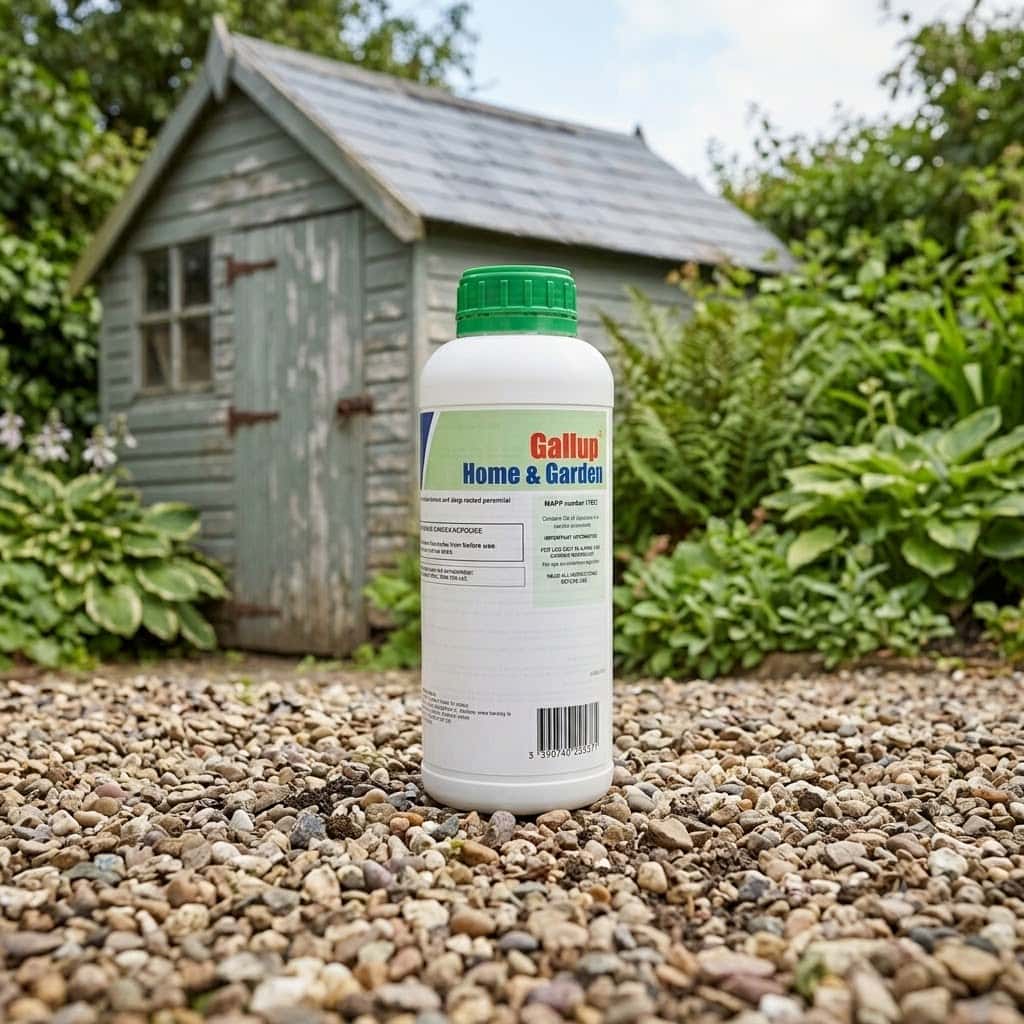
Ready-to-Use Glyphosate Weed Killer
Best for
- Small gardens
- Spot treatments
- Occasional maintenance
- Homeowners who prefer not to mix concentrates
Why choose this product?
Ready-to-use formulations like our Ready-to-use Glyphosate weedkiller are convenient and easy to apply straight from the container.
They are ideal for treating isolated weeds around paths, borders and gravel without the need for measuring or mixing.
Recommended when:
- You only have a few weeds to treat
- Convenience is your priority
- Storage space is limited

Summary
Applying glyphosate correctly is the key to achieving effective, long-lasting weed control.
Choosing suitable weather, spraying actively growing weeds, covering the foliage evenly and allowing enough time for the herbicide to work will usually provide far better results than repeated applications.
From helping UK gardeners tackle everything from patio weeds to overgrown gardens, we’ve found that the most successful treatments aren’t necessarily those that use the most product they’re the ones that use the right technique at the right time. A little patience and careful application can make a significant difference to the final result.
Read More...
Frequently Asked Questions
Should I soak the weeds?
No. Apply enough product to thoroughly wet the leaves without excessive dripping or run-off.
Can I spray after mowing?
It’s usually better to wait until weeds have produced fresh, healthy leaf growth before applying glyphosate.
Can I spray in windy weather?
No. Wind increases the risk of spray drift onto desirable plants.
How long should I leave weeds before removing them?
In most situations, allowing treated weeds to remain undisturbed for 7–14 days gives the herbicide sufficient time to move throughout the root system.
Can I spray glyphosate on my lawn?
No. Glyphosate is non-selective and will also kill grass. Use a selective lawn weed killer for established lawns.
Use Weed killers Safely
Always follow the product label and manufacturer’s instructions before use. Different weed killers have different application methods, timings and safety requirements, so reading the label carefully helps ensure effective results and safe application.
Wear Appropriate PPE
When handling concentrates or applying weed killers, wear suitable personal protective equipment (PPE) as recommended on the product label. This may include gloves, eye protection or protective clothing to minimise unnecessary exposure.
Application Rates
Applying more weed killer than recommended won’t improve performance and may increase the risk of damage to surrounding plants or the environment. Always measure accurately and apply at the recommended rate for the best results.
Rhys Nield
As one of our resident product experts, Rhys has spent the last 2 years helping keen gardeners and growers from within our customer services department. Remember to save this page, or visit the Advice Centre, for the latest tips, articles, and expert knowledge, to help you make your garden the best it can be.


About Elixir Gardens Supplies
For over 35 years Elixir Garden Supplies have been providing gardeners with all the essentials they need to achieve growing.
Our online store makes sure that all our customers have access to the information they need to make the right decisions when choosing the products they need for their gardens. We know from experience that gardening means many different things to our customers. Whether you have a balcony, patio, lawn or allotment, Elixir Gardens are proud to supply both amateur and professional gardeners alike.
We regularly use our many years of experience to developed our exclusive formulations in specialist fertilisers. Many of these have stood the test of time and have become firm favourites with amateurs and professionals alike. In fact our knowledge of fertilisers, feeds and garden care is well known within gardening circles. But don’t just take our word for it, why not check out the thousands of fantastic reviews on Trustpilot.
