How Long After Using Weed Killer Can I Seed My Lawn?
How long should you wait before applying any seed to your lawn? In this guide you will learn that patience is the key to restoring your lawn as well as understanding the key steps to a successful germination.
If you’ve successfully treated weeds in your lawn, the next step is often repairing the bare or thin areas they’ve left behind. While it can be tempting to sow new grass seed straight away, allowing the weed killer to finish working is an important part of achieving a successful lawn repair.
Overseeding helps restore a thicker, greener lawn, fills exposed areas and reduces the opportunity for new weed seeds to germinate. A dense, healthy lawn is one of the most effective long-term defences against future weed problems, as vigorous grass naturally outcompetes unwanted plants for light, water and nutrients.
One of the questions we’re most frequently asked by customers is, “How long should I wait after applying weed killer before sowing grass seed?” The answer depends on the type of weed killer you’ve used and the manufacturer’s recommendations.
Many selective lawn weed killers, such as Hytrol Selective Lawn WeedKiller Concentrate continue working for several weeks after application, gradually moving through the plant and killing it down to the root system. Some herbicides may also continue affecting plant growth for a period after application. If grass seed is sown too soon, germination can be reduced, young seedlings may become weakened and the repaired areas can establish unevenly, leaving you with a patchy lawn that requires further attention.
Waiting for the recommended interval gives the weed killer time to work as intended while providing the best possible conditions for new grass to establish. Once the weeds have completely died back, you can prepare the soil, apply a suitable Pre-Seed Lawn Fertiliser if required and overseed with confidence, giving your lawn the best chance of recovering into a thicker, healthier and more resilient sward.
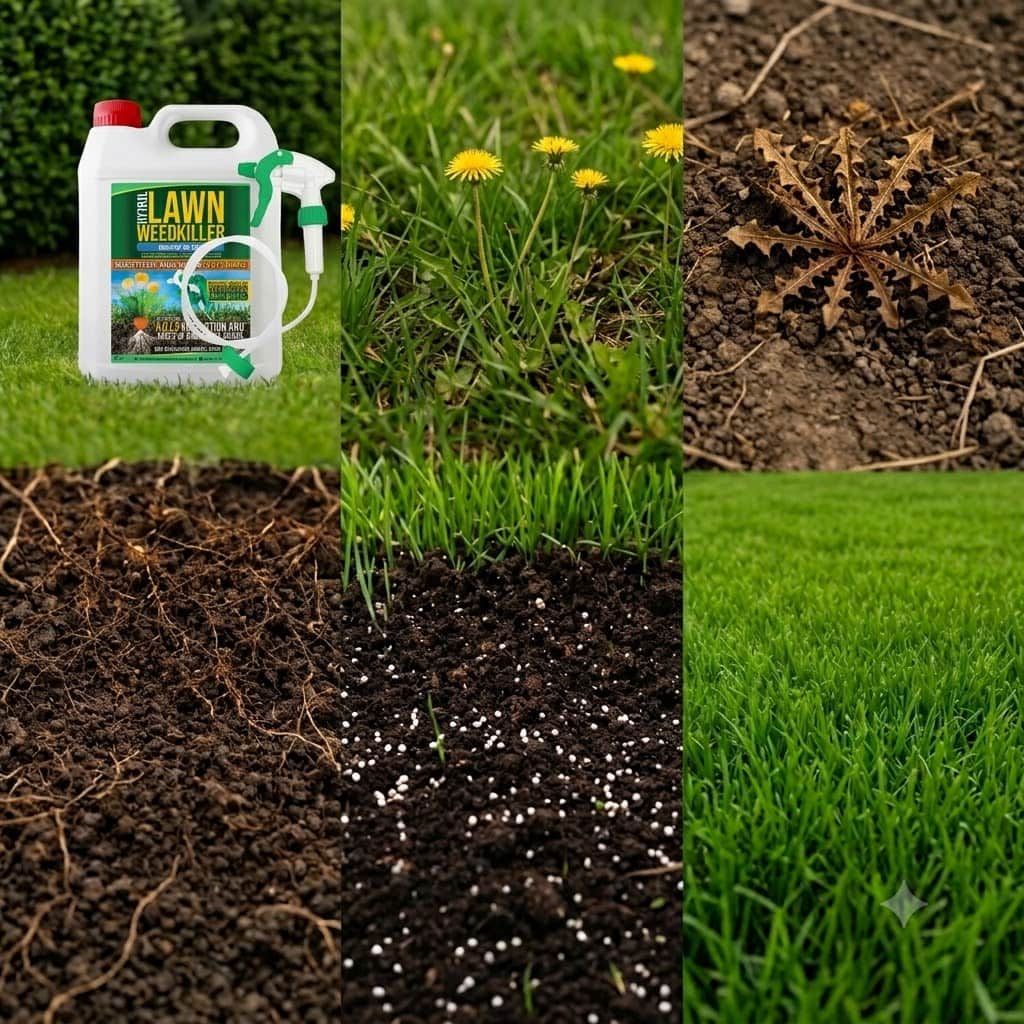
The Quick Answer...
The amount of time you should wait before sowing grass seed depends on the weed killer you’ve applied.
As a general guide:
- Always follow the waiting period stated on the weed killer product label
- Many selective lawn weed killers like Hytrol require a waiting period before overseeding
- Total weed killers for example a Glyphosate 360gl may require longer before new grass can be sown, depending on the product and intended use
- Once the recommended interval has passed, remove any dead weeds, prepare the soil and sow fresh grass seed
Checking the manufacturer’s instructions is always the safest and most reliable approach.
In This Guide
At Elixir Garden Supplies we want to help you avoid wasting time, seed and effort by reseeding before conditions are suitable.
In this guide, you’ll learn:
- How long to wait after different types of weed killers
- Why timing is important for successful germination
- How to prepare your lawn before reseeding
- Common mistakes that prevent successful establishment
- The best Elixir products to restore a healthy lawn
When Can You Seed After Using Weed Killer?
Not all weed killers behave in the same way.
Some products are designed to target weeds growing in established lawns without leaving long-lasting effects on the soil, while others may require a longer interval before reseeding is recommended.
The waiting period depends on factors including:
- The active ingredient
- The type of weed killer used
- Whether the product is selective or total
- The manufacturer’s instructions
- Weather conditions
- Soil preparation after treatment
Rather than applying seed immediately after weeds die back, it’s usually better to complete the full repair process to give your new lawn the highest chance of success.
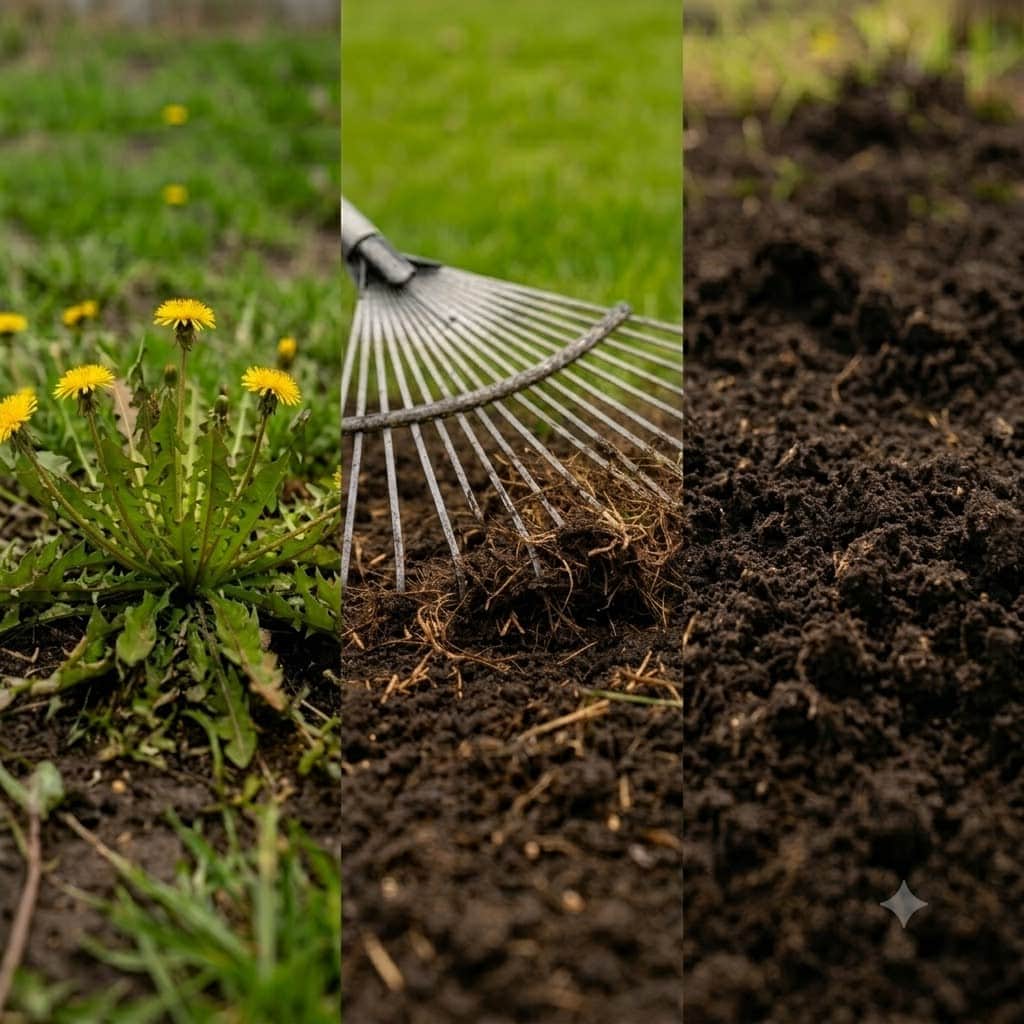
Why Waiting Matters...
Grass seed is most successful when it’s sown into clean, well-prepared soil with minimal competition.
If weed killer is still actively affecting plant growth, young grass seedlings may struggle to establish properly.
Although it may be tempting to reseed immediately, we have found a little patience usually produces far better long-term results.
Let the Weed Killer Finish Working
After application, avoid disturbing the treated weeds too quickly.
Systemic weed killers need time to move throughout the plant before the weeds are removed or the lawn is repaired.
Depending on the product, visible symptoms may include:
- Yellowing leaves
- Curling foliage
- Wilting
- Browning
- Complete dieback
Only begin repairing the lawn once the weeds have been effectively controlled and you’ve reached the reseeding interval stated on the label.

Expert Tip
Many lawn repairs fail because gardeners rush to sow seed before preparing the area properly.
Waiting for the recommended interval, removing dead weeds and improving the soil often has a much bigger impact on success than simply using more grass seed.
Sow Your Grass Seed Correctly
Once the recommended waiting period has passed and the lawn has been properly prepared, it’s time to sow your grass seed.
Here at Elixir Garden Supplies we like to stress how important it is to follow our application rates. Correct application plays a major role in achieving even germination and creating a dense lawn that naturally suppresses future weeds.
We have found many lawn repairs fail because too much seed is applied in some areas and too little in others.
Thick clumps of seedlings compete with each other for light, water and nutrients, while sparsely seeded areas leave gaps where weeds can quickly establish.
For the best results:
- Choose a calm, dry day
- Ensure the soil is slightly damp but not waterlogged
- Apply the seed evenly across the repair area
- Spread half the seed walking in one direction, then apply the remaining half at right angles to create even coverage
- Lightly rake the seed into the top 5–10mm of soil
- Firm the surface gently using a lawn roller or by walking carefully across a board
Avoid burying grass seed too deeply, as young shoots require light and warmth to germinate successfully.

Expert Tip
Seed-to-soil contact is one of the biggest factors affecting germination.
Even premium grass seed can struggle if it sits on top of loose debris instead of making direct contact with prepared soil.
Water Carefully During Germination
Grass seed requires consistent moisture to germinate successfully.
Allowing the soil to dry out during the first few weeks can significantly reduce establishment and create patchy growth.
Immediately after sowing:
- Water gently using a fine spray
- Keep the soil consistently moist
- Avoid flooding the area
- Water little and often during dry weather
As seedlings begin to establish, gradually reduce the frequency of watering while increasing the amount applied each time.
This encourages roots to grow deeper into the soil, producing stronger and more drought-tolerant grass.
Typical germination times vary depending on the seed mixture, soil temperature and weather conditions, but many lawn seed blends begin germinating within one to three weeks under favorable conditions.

Protect Newly Seeded Areas
Young grass is easily damaged during its first few weeks of growth.
Limiting disturbance gives seedlings the best chance to establish a strong root system.
During establishment:
- Keep children and pets away where possible
- Avoid heavy foot traffic
- Do not place garden furniture on newly seeded areas
- Prevent birds from feeding on exposed seed if necessary
- Continue monitoring soil moisture
Protecting the area during this early stage often leads to faster establishment and a more even lawn.

Feed Your Lawn for Stronger Growth
Once your new grass has established and reached a suitable stage of growth, feeding your lawn helps strengthen roots, improve colour and encourage thicker coverage.
Healthy, vigorous grass naturally competes with weeds by reducing the amount of light and space available for weed seeds to germinate.
Benefits of regular lawn feeding include:
- Stronger root systems.
- Improved drought tolerance
- Better recovery from wear
- Richer green colour
- Increased resistance to future weed invasion
Choose a lawn fertiliser appropriate for the season and always apply according to the manufacturer’s instructions.

Seasonal Advice for Overseeding After Weed Killer
Timing your lawn repair correctly can dramatically improve the success of overseeding.
Spring
Spring is one of the most popular times to repair lawns. Increasing soil temperatures and regular rainfall create favourable conditions for germination and early growth.
Best for:
- Repairing winter damage
- Filling bare patches
- Thickening thin lawns
Summer
Summer overseeding is possible but requires careful watering.
Extended periods of hot, dry weather can reduce germination and place young seedlings under stress.
If sowing during summer:
- Water more frequently
- Avoid seeding during heatwaves
- Monitor soil moisture closely
Autumn
Many lawn care professionals consider autumn the best time to overseed.
Warm soil combined with cooler air temperatures creates excellent conditions for root development while weed competition is often lower than in spring.
Best for:
- Large lawn renovations
- Repairing summer damage
- Building stronger lawns before winter
Winter
Grass seed generally germinates poorly during cold weather because soil temperatures are too low to support active growth.
Winter is better suited to planning future lawn improvements and preparing for spring repairs.
Premium Hard-Wearing Grass Seed
Choosing the right products after weed treatment can significantly improve the success of your lawn repair.
Best for
- Bare patches
- Overseeding
- Lawn renovation
- High-traffic gardens
Why choose this product?
Once the recommended waiting period has passed, overseeding with a durable grass seed helps restore lawn density and reduces the opportunity for weeds to return.
Elixir’s Premium Hard-Wearing Grass Seed contains a blend selected for strong establishment, durability and year-round appearance, making it suitable for both patch repairs and larger lawn renovation projects.
Recommended when:
- Repairing bare patches after weed control
- Overseeding thin lawns
- Renovating worn grass areas

Bumper Crop Pre-Seed Lawn Fertiliser
Best for
- Supporting root development
- Encouraging thicker grass growth
- Improving lawn health after repair
Why choose this product?
Bumper Crop Pre-Seed Lawn Fertiliser is designed to prepare the soil before reseeding or patch repairs. It helps encourage strong root development and early establishment, creating a denser lawn that’s naturally better at competing with future weeds.
Using fertiliser as part of your ongoing lawn care routine helps maintain colour, vigour and long-term resilience.

Common Mistakes When Reseeding After Weed Killer
Even high-quality grass seed can struggle if common mistakes are made during the repair process.
Avoid:
- Sowing grass before the weed killer waiting period has ended
- Ignoring the manufacturer’s instructions
- Applying seed to compacted soil
- Failing to remove dead weeds and debris
- Burying seed too deeply
- Allowing the soil to dry out during germination
- Walking on newly seeded areas
- Applying excessive amounts of seed
- Forgetting to improve overall lawn health after repair
Successful lawn renovation is achieved through preparation, patience and consistent aftercare.
Summary
Reseeding your lawn after weed treatment is one of the best ways to restore thick, healthy grass and reduce the likelihood of weeds returning.
However, timing is essential.
The exact waiting period depends on the weed killer you’ve used, so always follow the manufacturer’s instructions before sowing grass seed.
Once the recommended interval has passed, remove dead weeds, prepare the soil carefully and choose a high-quality grass seed to encourage rapid establishment.
Over the years we’ve found that the most successful lawn repairs come from treating weeds first, then giving new grass the best possible conditions to establish. Patience, careful preparation and consistent aftercare almost always produce better results than rushing to reseed.
Read More...
Use Weedkillers Safely
Always follow the product label and manufacturer’s instructions before use. Different weed killers have different application methods, timings and safety requirements, so reading the label carefully helps ensure effective results and safe application.
Wear Appropriate PPE
When handling concentrates or applying weed killers, wear suitable personal protective equipment (PPE) as recommended on the product label. This may include gloves, eye protection or protective clothing to minimise unnecessary exposure.
Application Rates
Applying more weed killer than recommended won’t improve performance and may increase the risk of damage to surrounding plants or the environment. Always measure accurately and apply at the recommended rate for the best results.
Rhys Nield
As one of our resident product experts, Rhys has spent the last 2 years helping keen gardeners and growers from within our customer services department. Remember to save this page, or visit the Advice Centre, for the latest tips, articles, and expert knowledge, to help you make your garden the best it can be.


About Elixir Gardens Supplies
For over 35 years Elixir Garden Supplies have been providing gardeners with all the essentials they need to achieve growing.
Our online store makes sure that all our customers have access to the information they need to make the right decisions when choosing the products they need for their gardens. We know from experience that gardening means many different things to our customers. Whether you have a balcony, patio, lawn or allotment, Elixir Gardens are proud to supply both amateur and professional gardeners alike.
We regularly use our many years of experience to developed our exclusive formulations in specialist fertilisers. Many of these have stood the test of time and have become firm favourites with amateurs and professionals alike. In fact our knowledge of fertilisers, feeds and garden care is well known within gardening circles. But don’t just take our word for it, why not check out the thousands of fantastic reviews on Trustpilot.
