How To Repair Your Lawn After Moss Treatment
Learn how to repair your lawn after moss treatment, from removing dead moss and aerating the soil to overseeding bare patches and encouraging healthy grass.
Applying a moss treatment is only the first step towards restoring a thicker, healthier lawn. Once the moss has died and been removed, it’s common for the grass to look thinner than expected, with bare patches and previously hidden areas of weak turf becoming much more noticeable. Although this can initially be concerning, removing the dead moss creates valuable space for the remaining grass to recover and for new grass seed to establish.
An appropriate Premium Hard-Wearing Grass Seed can be used to overseed thin and bare areas, helping increase grass density and rebuild the lawn. Once the new grass is properly established, ongoing feeding and maintenance can help encourage stronger growth and reduce the conditions in which moss can return.
Depending on the condition of the lawn and time of year, a suitable Weed, Feed & Moss Killer 4 in 1 can also form part of a future lawn-care programme, providing feeding alongside weed and moss control when used according to its label instructions.
One comment we regularly hear in spring is, “My lawn looked greener before I treated the moss.” In reality, some of that green coverage may have been moss rather than healthy grass. Removing it reveals the lawn’s true condition and gives you the opportunity to overseed, feed and rebuild the turf, creating a denser lawn that is better equipped to compete with future moss growth.
The Quick Answer...
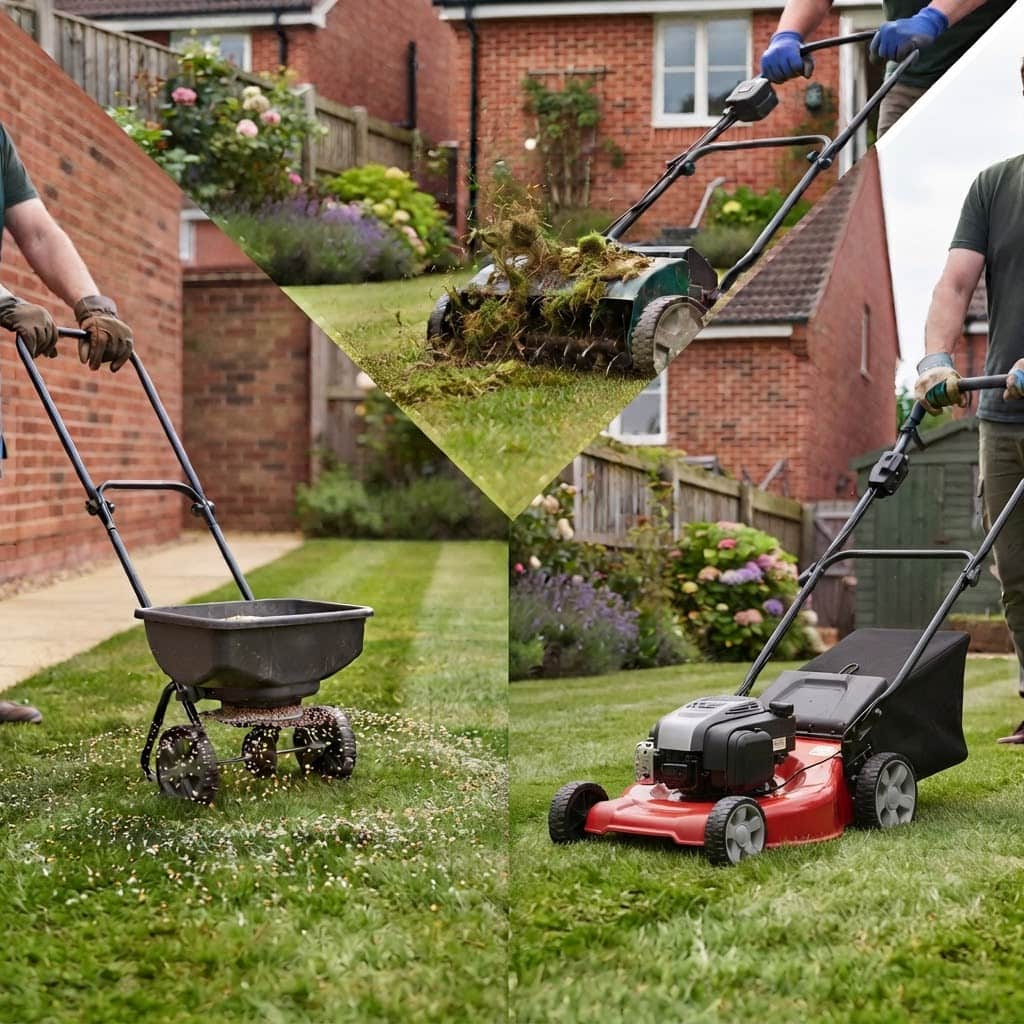
To repair your lawn after moss treatment:
- Allow the moss to die completely
- Rake or scarify the lawn
- Remove all dead moss
- Loosen bare areas of soil
- Overseed with quality grass seed
- Apply a suitable lawn fertiliser
- Water consistently until the grass establishes
Repairing the lawn soon after moss removal encourages faster recovery and helps prevent moss returning.
In This Guide
In this guide, we’ll explain:
- Why lawns often look worse after moss treatment
- How to remove dead moss correctly
- How to repair bare patches
- When to overseed
- How to encourage long-term recovery
Why Does My Lawn Look Worse After Moss Treatment?
Many moss treatments turn moss:
- Black
- Dark brown
- Dry
- Brittle
Once removed, they often reveal:
- Thin grass
- Bare soil
- Compacted areas
- Uneven patches
This doesn’t mean the treatment has damaged your lawn.
Instead, it shows where moss had replaced healthy grass.
The good news is that these areas can usually be repaired without replacing the entire lawn. Once the dead moss has been raked or scarified away, Premium Hard-Wearing Grass Seed can be used to overseed suitable thin and bare areas.

Remove All Dead Moss
Once the moss has completely died:
- Rake thoroughly using a spring-tine lawn rake
- Scarify heavily affected lawns
- Collect all loose moss
- Dispose of the debris
Removing the dead moss improves:
- Air circulation
- Water penetration
- Nutrient availability
- Seed to soil contact
Leaving dead moss behind can slow recovery and create conditions that favour further moss growth.

Inspect The Lawn
After scarifying, assess the lawn carefully.
Look for:
- Bare patches
- Thin grass
- Compacted soil
- Uneven areas
- Poor drainage
These are the areas that will benefit most from repair.
We often find that once the moss has been removed, customers realise the lawn needs much less work than they first imagined.
Repairing a few key areas is often enough to transform the overall appearance.

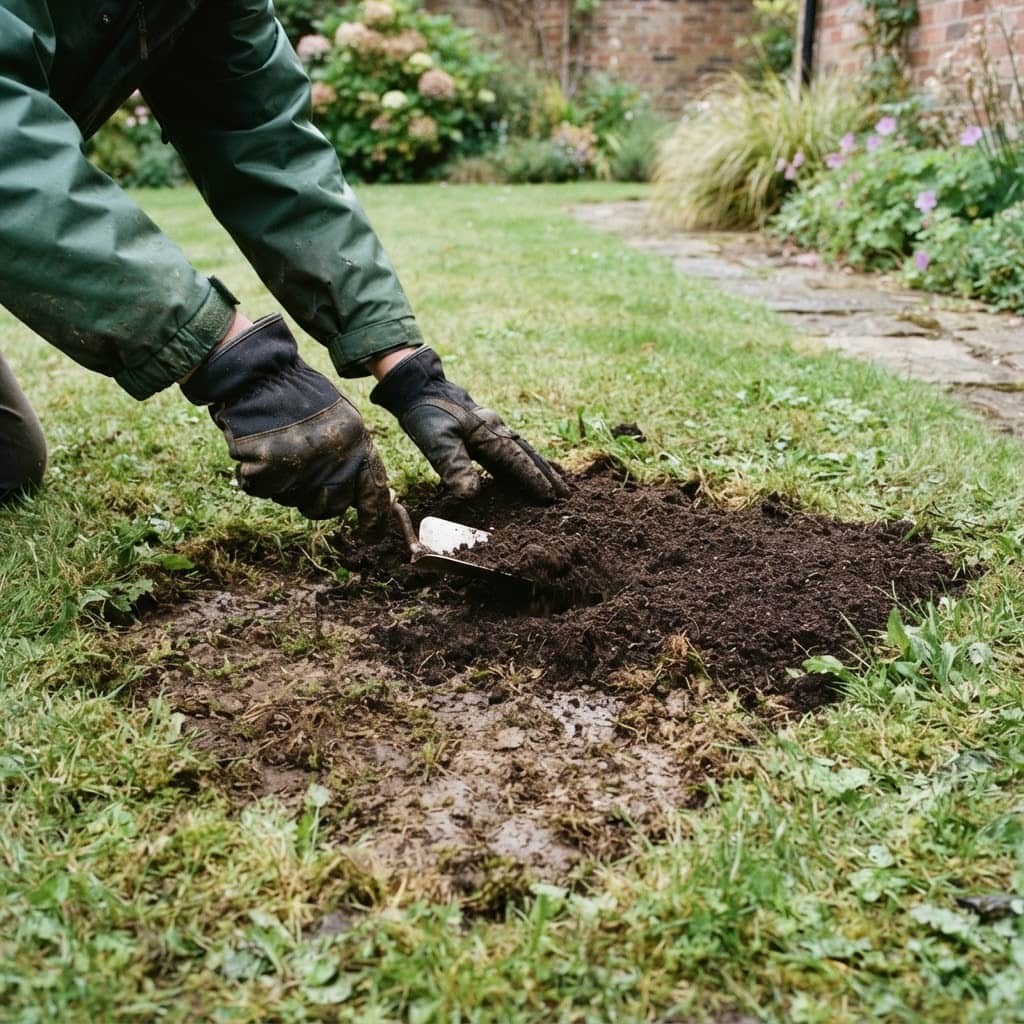
Prepare Bare Patches
Before sowing grass seed, good soil preparation is essential for successful germination and establishment. Seed needs close contact with the soil, enough moisture and a suitable growing surface to develop strong roots.
Before sowing:
- Loosen the top 20-30mm of soil to break up compacted areas
- Remove remaining moss, weeds, stones and debris that could interfere with germination
- Level uneven ground to create a consistent surface and prevent water collecting in low spots
- Add a light layer of quality topsoil if required, particularly where the existing soil is poor or has been heavily disturbed
- Break up large clumps of soil so the seed can be distributed evenly
- Firm the surface lightly so it is stable without becoming compacted again
Once prepared, rake the surface lightly before sowing to create a fine, even seedbed. Premium Hard-Wearing Grass Seed can then be used to repair thin or bare areas, following the recommended sowing rate and application instructions.
Good preparation is one of the biggest factors affecting successful grass establishment, so avoid rushing this stage.
Overseed the Lawn
Overseeding replaces the grass that was lost to moss and helps create a thicker lawn.
For the best results:
- Spread seed evenly
- Lightly rake it into the soil
- Ensure good seed-to-soil contact
- Water regularly
For repairing lawns after moss treatment, Premium Hard-Wearing Grass Seed is an excellent choice. It’s suitable for patch repairs, overseeding and establishing a dense lawn that stands up well to everyday use.
The best times to overseed are generally spring and early autumn, when soil temperatures and moisture levels support reliable germination.

Feed The Lawn
Once the lawn has been repaired, regular feeding encourages faster recovery.
A suitable product such as Spring & Summer Lawn Fertiliser provides nutrients to help:
- Strengthen roots
- Encourage greener growth
- Improve lawn density
- Support newly established grass
A healthier lawn naturally competes more effectively against future moss.
One thing we’ve consistently noticed is that lawns which are fed after overseeding tend to fill in much faster than those left to recover without additional nutrients.

Water Correctly
New grass seed requires consistent moisture while it germinates and establishes. Keeping the soil evenly moist helps prevent the seed from drying out and gives emerging roots the conditions they need to develop.
Aim to keep the soil:
- Damp but not waterlogged
- Evenly moist across the seeded area
- Protected from drying out during warm or windy weather
Water gently to avoid washing away the seed or creating puddles. As the new grass becomes established, gradually reduce the frequency of watering while increasing the amount applied, encouraging the roots to grow deeper into the soil. Once the grass is established, return to your normal lawn watering routine based on weather and soil conditions.

Adjust Future Lawn Care
To reduce the chances of moss returning, focus on keeping the lawn thick, healthy and growing strongly. A combination of good maintenance and the right products can help create conditions that are less favourable for moss.
- Aerate compacted soil to improve air and water movement around the roots
- Improve drainage where possible to reduce prolonged damp conditions
- Feed regularly with a suitable product such as Spring & Summer Lawn Fertiliser to encourage stronger, denser grass growth
- Mow at the correct height and avoid cutting the lawn too short
- Repair thin areas promptly using Premium Hard-Wearing Grass Seed before moss has an opportunity to establish
- Scarify when necessary to remove excess thatch and dead material and improve the lawn surface
If moss does begin to return, products such as Soluble Iron Sulphate can be used as part of a wider moss-control programme, following the product instructions.
Long-term lawn health is the best defence against future moss problems. The thicker and stronger your grass becomes, the less opportunity moss has to take hold.
Common Mistakes To Avoid
Avoid:
- Removing moss before it’s completely dead
- Leaving dead moss on the lawn
- Overseeding without preparing the soil
- Allowing new grass seed to dry out
- Cutting new grass too early
- Ignoring the conditions that encouraged moss in the first place
Successful lawn repair is about rebuilding healthy grass, not simply removing moss.
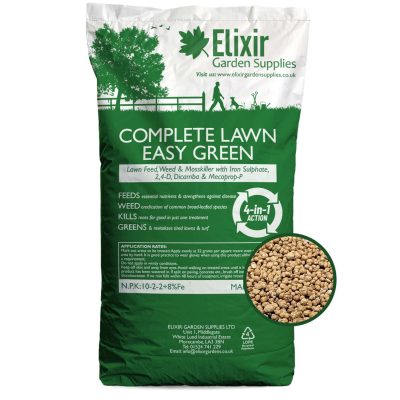
Complete Lawn Weed, Feed & Moss Killer 4-in-1
Best for
- Established lawns
- Controlling moss
- Broadleaf weeds
- Feeding the lawn
- All-in-one lawn maintenance
- Improving lawn colour and density
Why choose this product?
If your lawn is affected by weeds, moss and weak grass, Complete Lawn Weed, Feed & Moss Killer 4-in-1 provides a convenient all-in-one solution. It combines lawn feed, selective weed control and moss treatment in a single application, helping to improve the overall health and appearance of established lawns when used according to the product label.
Recommended when
- Your lawn contains both weeds and moss
- You want to feed and improve your lawn while controlling weeds
- You’re carrying out routine spring or autumn lawn maintenance
- You prefer a convenient all-in-one lawn treatment rather than using separate products

Premium Hard-Wearing Grass Seed
Choosing the right products after weed treatment can significantly improve the success of your lawn repair.
Best for
- Bare patches
- Overseeding
- Lawn renovation
- High-traffic gardens
Why choose this product?
Once the recommended waiting period has passed, overseeding with a durable grass seed helps restore lawn density and reduces the opportunity for weeds to return.
Elixir’s Premium Hard-Wearing Grass Seed contains a blend selected for strong establishment, durability and year-round appearance, making it suitable for both patch repairs and larger lawn renovation projects.
Recommended when:
- Repairing bare patches after weed control
- Overseeding thin lawns
- Renovating worn grass areas

Soluble Iron Sulphate
Best for
- Killing lawn moss
- Moss-prone lawns
- Lawn renovation
- Scarifying preparation
- Improving lawn colour
Why choose this product?
If you’re looking for an effective way to control lawn moss, we believe Sulphate of Iron is one of the most trusted treatments available.
Elixir’s Soluble Iron Sulphate quickly blackens and kills moss, making it easier to remove by raking or scarifying. It also supplies iron to the turf, helping to improve lawn colour and prepare the lawn for overseeding and renovation.
Recommended when:
- Moss is spreading across your lawn
- You’re preparing to scarify or renovate your lawn
- You want to improve lawn colour
- Treating moss during spring or autumn

Summary
Repairing your lawn after moss treatment is what turns temporary moss control into lasting lawn improvement.
By removing dead moss, overseeding bare areas and supporting new grass with regular feeding and watering, you can encourage a denser, healthier lawn that’s naturally more resistant to future moss problems.
From the many lawn renovations we’ve helped customers complete, one lesson stands out: the best looking lawns aren’t simply the ones where the moss has been removed they’re the ones where healthy grass has been given every opportunity to replace it.
Read More...
Frequently Asked Questions
Should I overseed after removing moss?
Yes. Overseeding helps fill bare patches and creates a thicker lawn that naturally resists future moss.
When should I feed my lawn after moss treatment?
Once the lawn has been repaired and new grass is establishing, applying an appropriate lawn fertiliser helps encourage healthy growth.
Can I scarify immediately after applying moss killer?
Only once the moss has completely died. Scarifying too early can make removal more difficult and may damage healthy grass.
Why is my lawn so thin after removing moss?
The moss often covered areas where grass had already weakened or died. Removing it simply reveals the lawn’s true condition.
How long does lawn recovery take?
Most repaired lawns begin showing noticeable improvement within a few weeks, although full recovery depends on weather, soil conditions and ongoing maintenance.
Follow the Instructions
Every gardening product is designed to be used in a specific way. Always read the product label and follow the manufacturer’s instructions before use. Correct preparation, application and timing help ensure the best possible results while promoting safe and responsible use.
Wear Appropriate PPE
Some products may require suitable personal protective equipment (PPE) during handling or application. Depending on the product, this may include gloves, eye protection or protective clothing. Always check the product label to determine the recommended safety precautions before use.
Application Rates
Using more product than recommended will not usually improve performance and may lead to unnecessary waste or undesirable results. Measure accurately, apply evenly and follow the recommended application rates and guidance provided on the product label.
Rhys Nield
As one of our resident product experts, Rhys has spent the last 2 years helping keen gardeners and growers from within our customer services department. Remember to save this page, or visit the Advice Centre, for the latest tips, articles, and expert knowledge, to help you make your garden the best it can be.


About Elixir Gardens Supplies
For over 35 years Elixir Garden Supplies have been providing gardeners with all the essentials they need to achieve growing.
Our online store makes sure that all our customers have access to the information they need to make the right decisions when choosing the products they need for their gardens. We know from experience that gardening means many different things to our customers. Whether you have a balcony, patio, lawn or allotment, Elixir Gardens are proud to supply both amateur and professional gardeners alike.
We regularly use our many years of experience to developed our exclusive formulations in specialist fertilisers. Many of these have stood the test of time and have become firm favourites with amateurs and professionals alike. In fact our knowledge of fertilisers, feeds and garden care is well known within gardening circles. But don’t just take our word for it, why not check out the thousands of fantastic reviews on Trustpilot.
