How to Safely Use Weed Killer Around Pets and Children
Learn how to use weed killer safely around pets and children. Discover when it’s safe to re-enter treated areas, application tips, and how to reduce exposure while achieving effective weed control.
At Elixir Garden Supplies, we understand that keeping your lawn and garden free from weeds shouldn’t come at the expense of your family’s safety.
If you have children who enjoy playing on the lawn or pets that spend time outdoors, it’s natural to ask whether weed killers can be used safely and what precautions you should take.
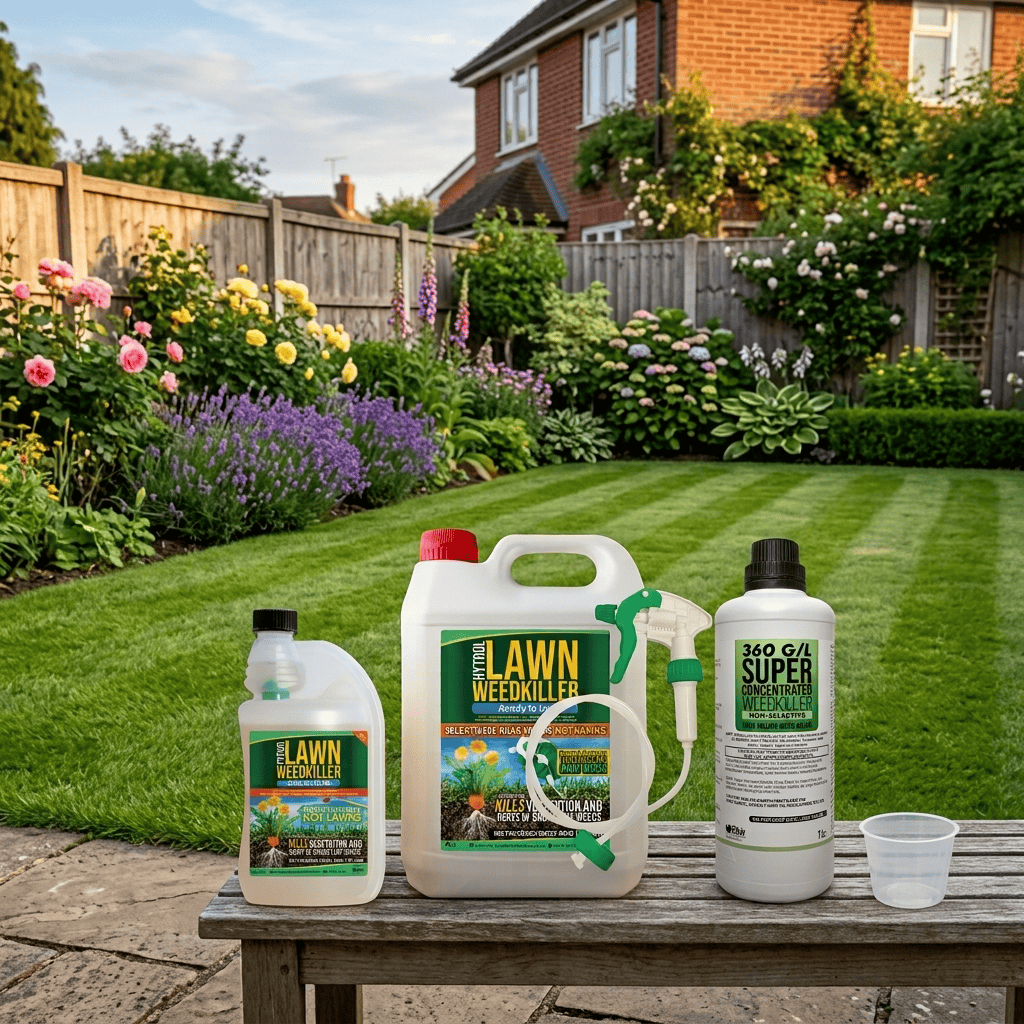
The good news is that many weed killers, including our Hytrol Selective Lawn Weedkiller Concentrate, can be used safely when they’re applied exactly as directed on the product label. For established lawns, a selective weed killer allows you to control common broadleaf weeds while preserving healthy grass when used correctly.
The biggest risks often arise from incorrect mixing, over-application or allowing people and pets onto treated areas before it is safe to do so. Choosing the correct product for the job is just as important as applying it properly. For example, a Selective Lawn Weed killer is designed for use on established grass, while Glyphosate Weedkillers are generally intended for hard surfaces such as patios, paths and driveways where complete vegetation control is required.
Every weed killer is different. Active ingredients, application rates and re-entry advice vary between products, which is why it’s essential to read and follow the manufacturer’s label before use. Whether you’re using Hytrol Selective Lawn Weedkiller, a Ready-to-Use Hytrol for spot treatments, or a Glyphosate WeedKiller for non-lawn areas, always follow the product instructions to achieve effective weed control while helping to keep your family and pets safe.

The Quick Answer...
You can reduce risks when using weed killers around pets and children by following these key steps:
- Always read and follow the product label
- Keep children and pets away while you’re mixing and applying the product
- Do not allow anyone onto treated areas until the product has dried or until the label states it is safe to re-enter
- Store weed killers securely in their original containers and out of reach of children
- Avoid spraying on windy days to reduce spray drift
- Wash hands and any exposed skin after application
- Clean application equipment thoroughly according to the manufacturer’s instructions
Following the product instructions is the most important factor in using any weed killer safely.
In This Guide
In this guide, you’ll learn:
- Whether weed killers are safe around pets and children
- How long to keep dogs and children off treated lawns
- How to apply weed killer safely
- Common safety mistakes to avoid
- Best practices before, during and after application
- Which products are suitable for treating established lawns
Are Weed Killers Safe Around Pets?
This is one of the most frequently asked questions by UK gardeners.
The answer depends on several factors, including:
- The specific weed killer being used
- Whether it is mixed and applied correctly
- Whether the treated area has dried or reached the re-entry point specified on the label
- Whether the product is being stored and handled safely
Many lawn weed killers, including Hytrol Selective Lawn Weedkiller, are intended for domestic use and include clear instructions explaining how to apply the product safely, when pets should be kept away from treated areas and when it is safe for them to return. Following these instructions is essential to achieve effective weed control while helping to minimise unnecessary exposure.
If you’re treating broadleaf weeds in an established lawn, choosing a selective lawn weed killer such as Hytrol Selective Lawn Weedkiller allows you to control common weeds including dandelions, clover, daisies, buttercups and plantain while leaving established grass unaffected when used according to the product label. Using the correct product for the location is an important part of both effective weed control and safe application.
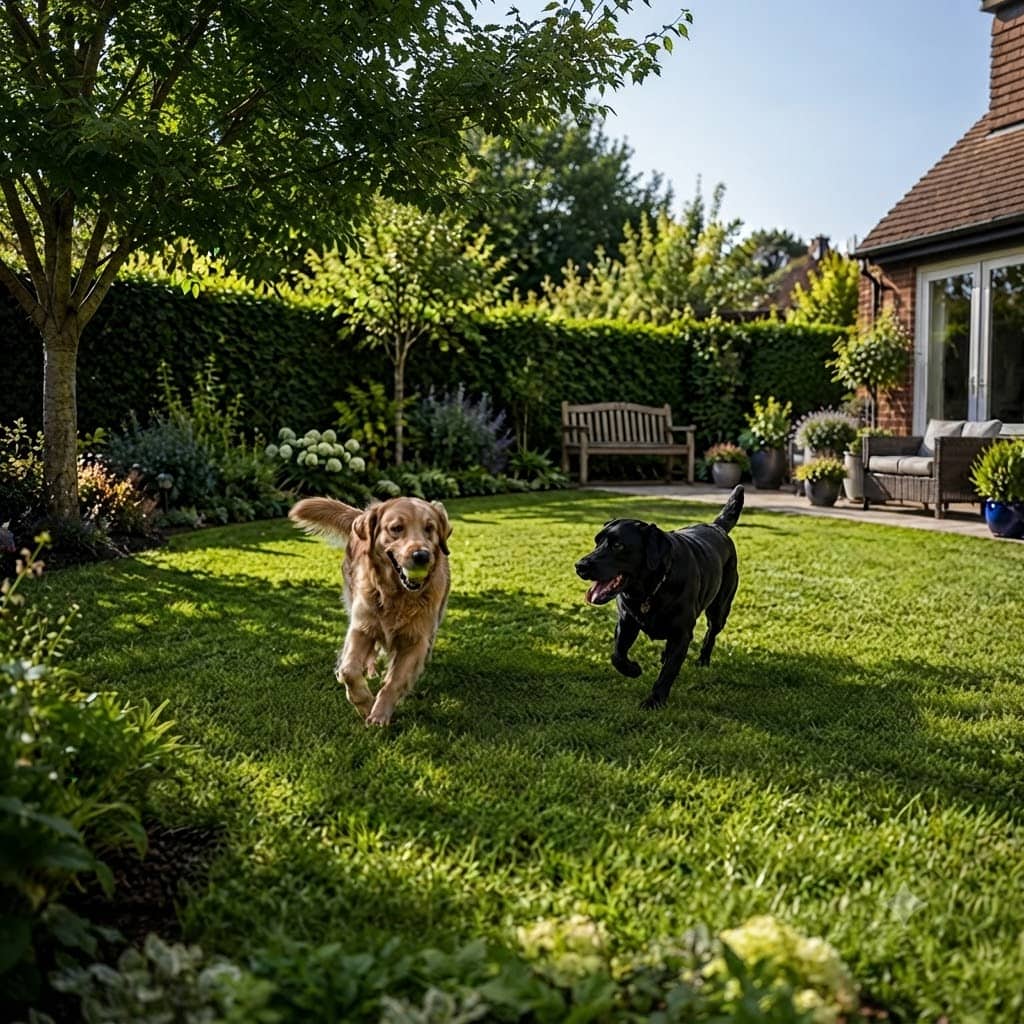
Dogs are naturally curious and are far more likely than people to investigate freshly treated lawns by sniffing, licking or rolling on the grass. For this reason, preventing access during the restricted period stated on the product label is one of the most important safety precautions you can take.
Common Ways Pets Can Be Exposed
Understanding how exposure can occur helps reduce unnecessary risks.
Pets may come into contact with weed killers by:
- Walking across freshly treated grass
- Licking their paws after walking on treated areas
- Eating treated vegetation
- Drinking from contaminated containers or sprayers
- Contact with spills during mixing
Fortunately, these situations are largely avoidable through careful planning and by following the product instructions.
Expert Tip
Before treating your lawn, plan where your pets will stay until the treated area is ready to use again.
A little preparation can help avoid accidental exposure and make the application process much easier.
Are Weed Killers Safe Around Children?
Children often spend long periods playing on lawns, which makes safe application even more important.
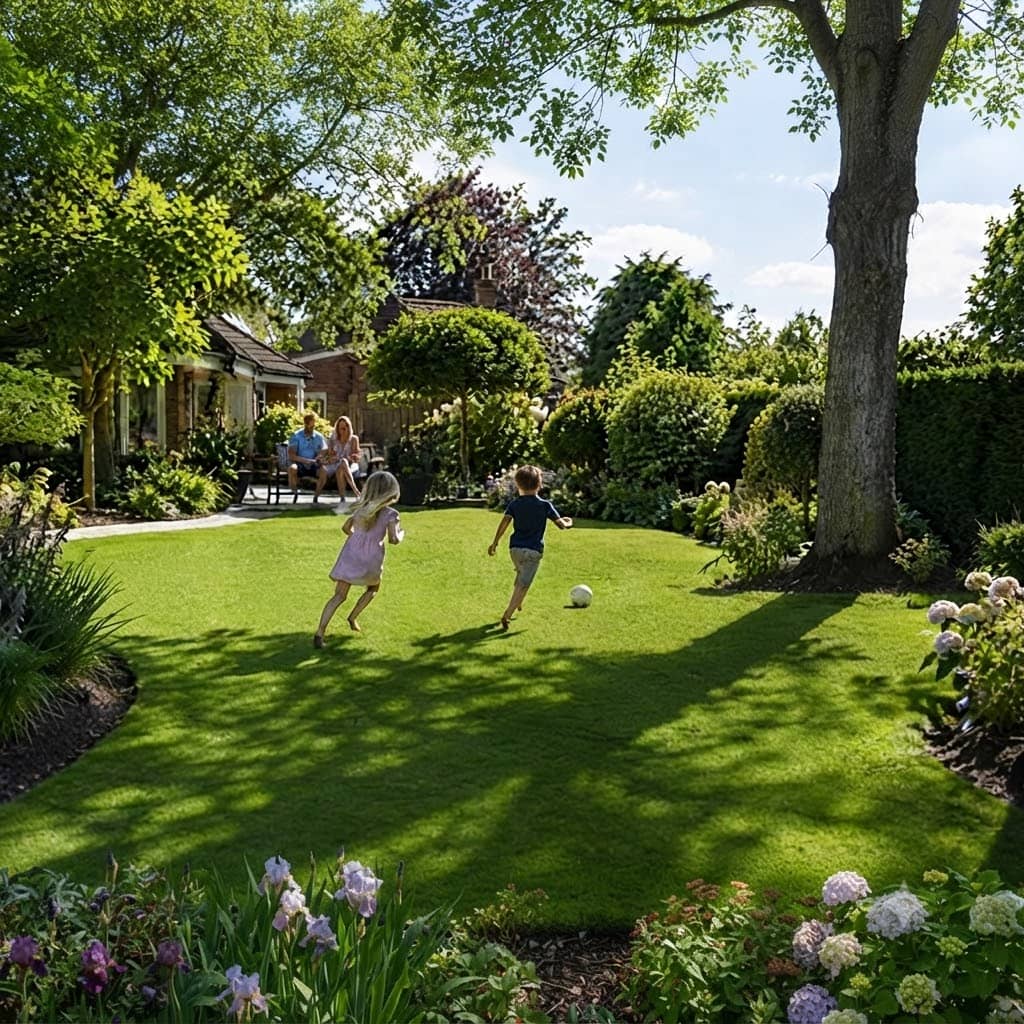
Young children are more likely than adults to touch grass, put their hands in their mouths and have close contact with treated surfaces. For this reason, they should always be kept away from the treatment area during application and until the product label indicates it is safe to return.
To help reduce risk:
- Apply weed killer when children are indoors or away from the garden
- Prevent access to treated areas until the recommended re-entry time has passed
- Store concentrates securely in a locked cupboard or high shelf
- Never leave diluted weed killer unattended
- Clean up spills immediately, following the product instructions
Teaching older children that treated areas are temporarily out of bounds can also help prevent accidental contact.
Always Follow the Instructions on the Product Label
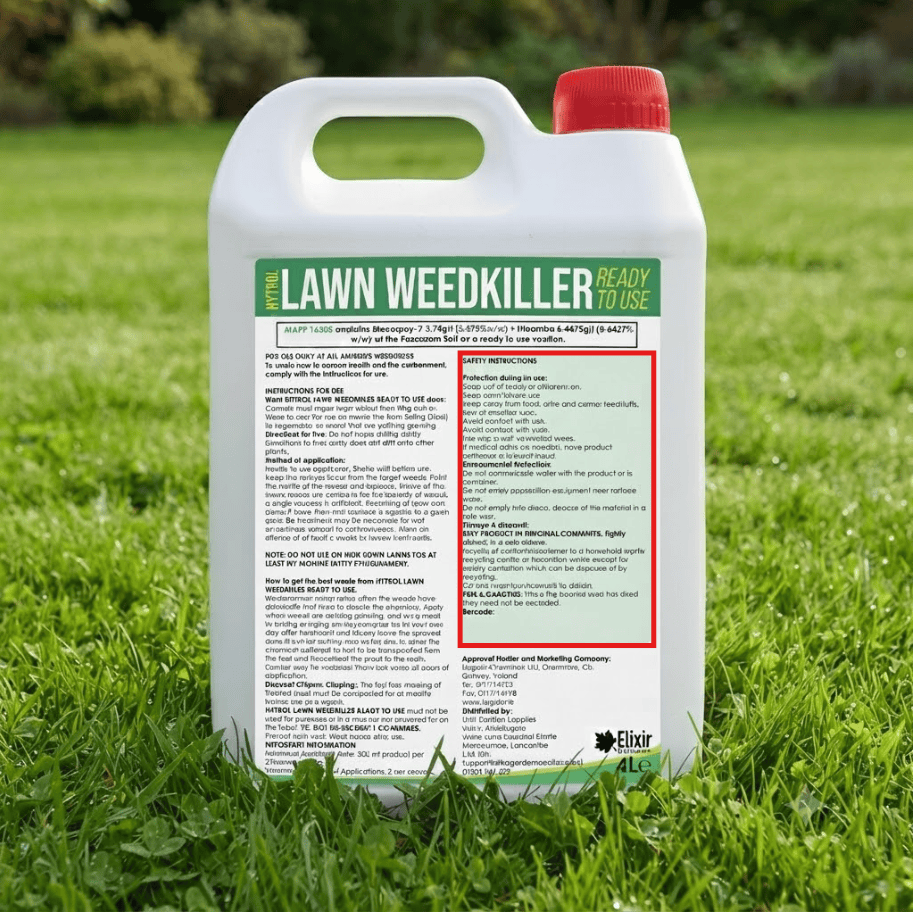
The label is the legal document that explains when treated areas can safely be re-entered and should always take priority over general advice.
In many cases, manufacturers recommend keeping people and pets away until the treated area has completely dried, although some products may have additional instructions or restrictions.
Several factors influence drying time, including:
- Air temperature
- Humidity
- Wind speed
- Time of year
- Application rate
- Grass length
On warm, dry days, treated lawns may dry relatively quickly. During cool, damp or humid weather, drying can take considerably longer.
Best Practice
Before allowing anyone back onto the lawn:
Check that the treated grass is completely dry if this is the manufacturer’s guidance.
Read the product label carefully.
If in doubt, wait longer rather than shorter.
Expert Tip
Many accidental exposures happen because people assume a lawn is safe once it “looks dry.” Always rely on the product instructions rather than appearance alone.
Safety & Preparation Before Applying Weed Killer
Move Toys and Equipment
Remove:
- Children’s toys
- Dog toys
- Water bowls
- Garden furniture cushions
- Outdoor eating equipment
This prevents contamination and avoids unnecessary cleaning afterwards.
Keep Pets Indoors
If possible, keep dogs, cats and other pets indoors while mixing and spraying.
For larger gardens, consider exercising your dog before treatment so they’re less likely to want immediate access afterwards.
Check the Weather Forecast
Avoid spraying if:
- Heavy rain is expected shortly afterwards
- Strong winds could cause spray drift
- Frost is forecast
- Grass is under drought stress
Most lawn weed killers work best when weeds are actively growing in calm, dry conditions.
Check the Weather Forecast
Avoid spraying if:
- Heavy rain is expected shortly afterwards
- Strong winds could cause spray drift
- Frost is forecast
- Grass is under drought stress
Most lawn weed killers work best when weeds are actively growing in calm, dry conditions.
Wear Suitable Protective Clothing
Always follow the label recommendations.
This may include:
- Waterproof gloves
- Long sleeves
- Long trousers
- Closed footwear
Wash hands thoroughly after handling concentrates or spraying equipment.
Safe Application Tips
Applying weed killer correctly doesn’t just improve weed control ,it also helps minimise unnecessary exposure.
Avoid Spray Drift
One of the biggest causes of accidental contamination is spraying during windy conditions.
Spray drift can reach:
- Flower beds
- Vegetable gardens
- Children’s play equipment
- Neighbouring gardens
- Wildlife habitats
Choose a calm day with little or no wind whenever possible.
Apply the Correct Amount
Using more weed killer than recommended will not improve results.
Instead, over-application can:
- Stress desirable grass
- Increase the risk of runoff
- Waste product
- Potentially increase unnecessary exposure
Always mix and apply at the rate stated on the product label.
Don't Spray Before Rain
Rain falling shortly after application can reduce effectiveness by washing product from the leaf surface before it has been absorbed.
Check the weather forecast before treating your lawn.
Clean Equipment Properly
After application:
- Empty the sprayer according to the manufacturer’s instructions
- Rinse equipment thoroughly
- Store equipment safely
- Wash gloves before removing them if reusable
- Wash hands thoroughly
Never leave diluted weed killer inside a sprayer for extended periods unless the manufacturer specifically advises otherwise.
A clean sprayer gives better weed control and reduces the risk of accidentally applying herbicide to plants you didn’t intend to treat.
Storing Weed Killers Safely
Safe storage is just as important as safe application.
Always:
- Store products in their original containers
- Keep labels intact
- Lock products away from children
- Prevent access by pets
- Store in a cool, dry place
- Protect products from frost and excessive heat
Never transfer weed killers into drinks bottles or unlabelled containers.
Doing so creates a serious risk of accidental misuse.
What If a Pet or Child Comes Into Contact With Weed Killer?
Despite careful planning, accidents can occasionally happen.
If you think a pet or child has come into contact with a weed killer:
- Stop further exposure immediately
- Follow any first-aid advice provided on the product label
- If skin has been exposed, wash the affected area with plenty of water
- If you are concerned about a person’s health, contact the appropriate medical service or a poison information service in your country
- If you are concerned that a pet has been exposed or is showing unusual symptoms, contact your veterinarian promptly
- Take the product label or container with you if you seek medical or veterinary advice, as it contains important information about the product
If someone has swallowed a weed killer or has severe symptoms, seek urgent medical advice immediately.
Understanding Weed Killers
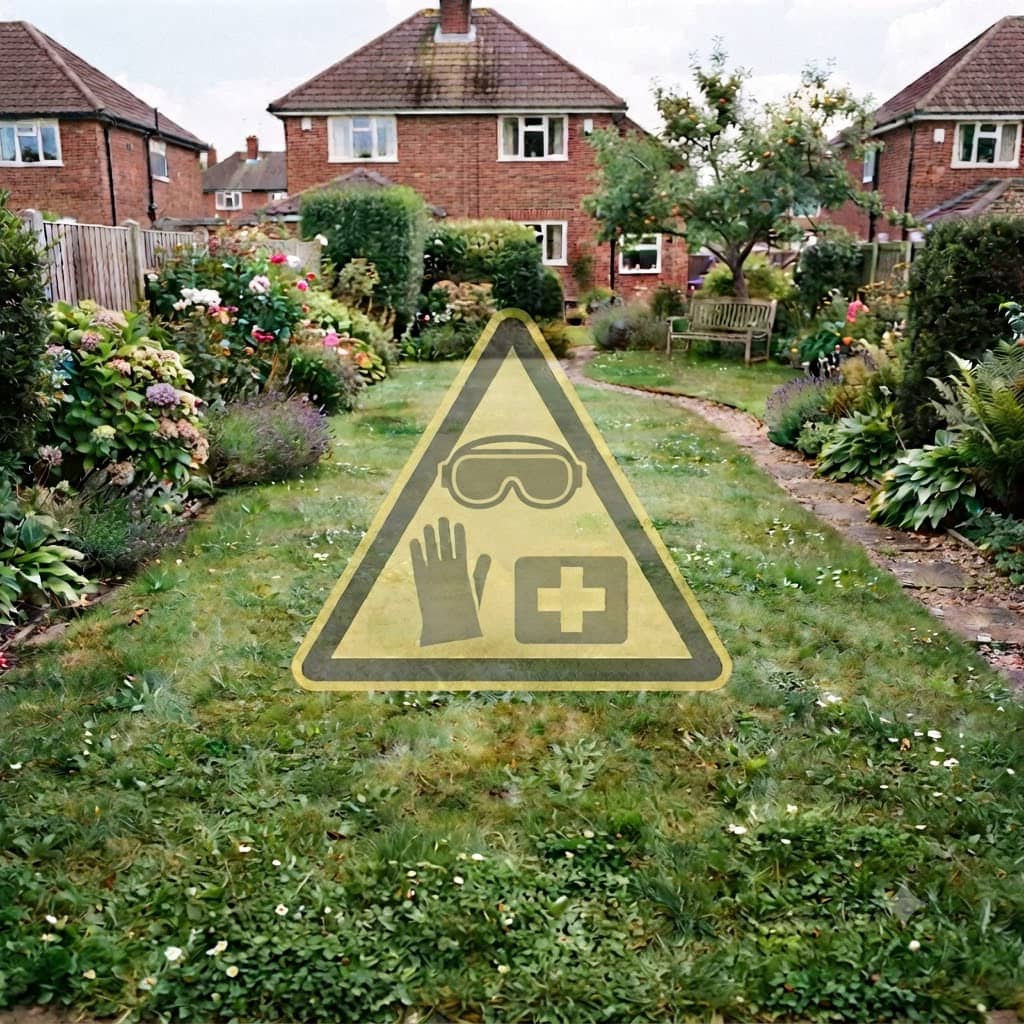
There are many misconceptions surrounding weed killers, and believing them can lead to poor results or unnecessary risks. One of the most common myths is that using more weed killer will make it work faster, when in reality applying more than the recommended amount does not necessarily improve performance and may reduce safety. Another misconception is that homemade weed killers are always safer than commercial products. In fact, homemade mixtures can still damage plants and may not be any safer than products used according to their labels.
It’s also a mistake to assume that a lawn is safe to use as soon as it looks dry. Re-entry advice varies between products, so it’s always important to follow the manufacturer’s instructions. Similarly, many people believe that “natural” automatically means harmless, but even natural substances can irritate the skin, eyes or surrounding plants if used incorrectly.
Finally, not all weed killers are the same. Different products contain different active ingredients, are designed for different situations and have their own application methods and safety guidance, so always read and follow the product label before use.
Common Mistakes to Avoid
Even experienced gardeners can make mistakes that increase unnecessary exposure.
Avoid:
- Spraying on windy days where drift could reach play areas
- Allowing pets or children onto wet, freshly treated grass
- Using more product than recommended
- Transferring weed killers into unlabeled containers
- Leaving sprayers where children can access them
- Mixing products unless the label specifically allows it
Using more weed killer does not make it work faster or better.
Applying the correct amount according to the label is both safer and more effective.
Hytrol Selective Lawn Weedkiller Concentrate
Best for:
- Established lawns
- Broadleaf weeds
- Routine lawn maintenance
Why choose this product?
If your lawn contains broadleaf weeds but you want to keep the grass, we believe a selective lawn weed killer is the correct choice.
Hytrol is formulated to target many common broadleaf weeds while allowing established grass to continue growing when used according to the product instructions. This makes it ideal for homeowners looking to improve the appearance of their lawn without having to reseed the entire area.
Recommended when:
- Your lawn is otherwise healthy
- Broadleaf weeds are spreading
- You want to preserve existing grass
Ready-to-Use Hytrol Selective lawn Weed Killer
Best for:
- Small gardens
- Spot treatments
- Occasional maintenance
- Homeowners who prefer not to mix concentrates
Why choose this product?
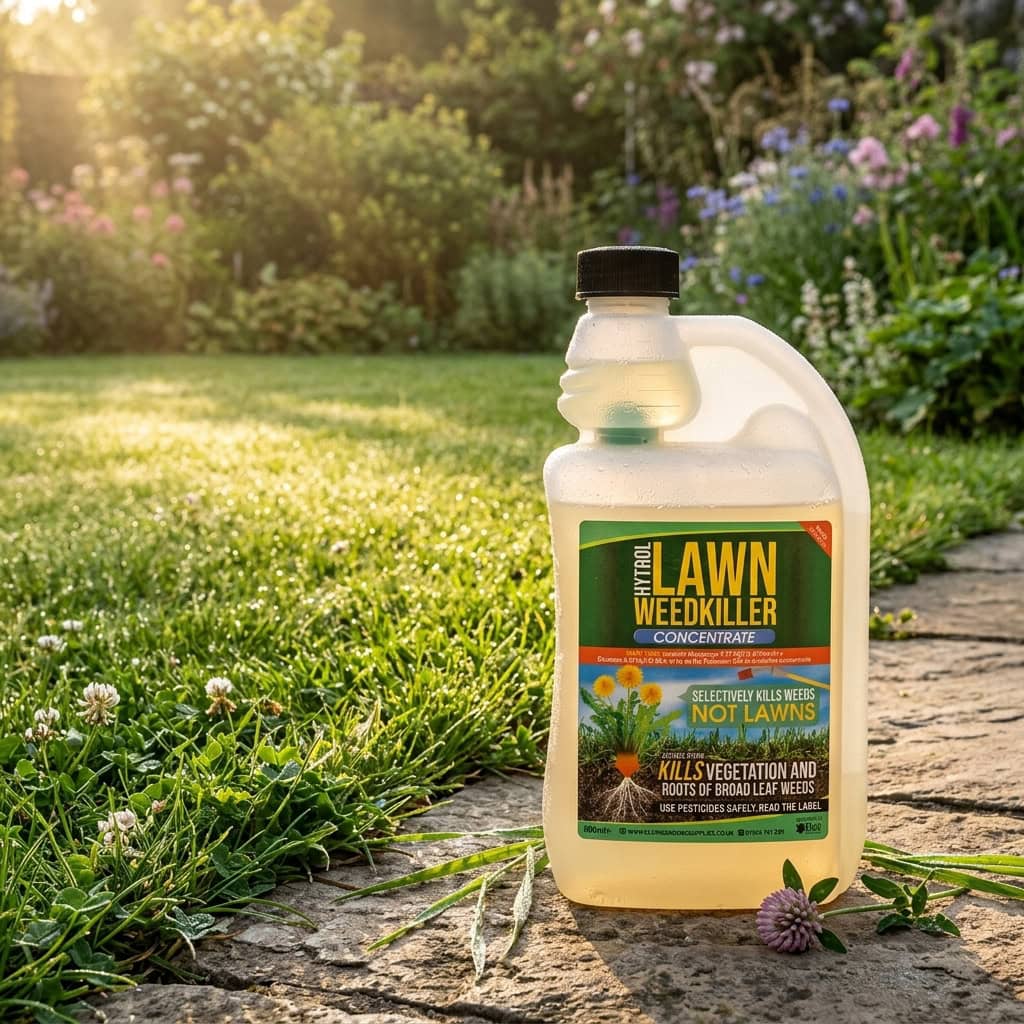
Ready-to-use Hytrol is intended for spot treatment of broadleaf weeds growing within established lawns. It offers the convenience of a pre-mixed formulation while helping preserve surrounding grass when applied according to the label.
Recommended when:
- Weeds are growing within established grass
- Only a small lawn area needs treatment
- The customer does not want to measure or dilute concentrate

Premium Hard-Wearing Grass Seed
Best for
- Bare patches
- Overseeding
- Lawn renovation
- High-traffic gardens
Why choose this product?
Once the recommended waiting period has passed, overseeding with a durable grass seed helps restore lawn density and reduces the opportunity for weeds to return.
Elixir’s Premium Hard-Wearing Grass Seed contains a blend selected for strong establishment, durability and year-round appearance, making it suitable for both patch repairs and larger lawn renovation projects.
Recommended when:
- Repairing bare patches after weed control
- Overseeding thin lawns
- Renovating worn grass areas

Bumper Crop Pre-Seed Lawn Fertiliser
Best for
- Supporting root development
- Encouraging thicker grass growth
- Improving lawn health after repair
Why choose this product?
Bumper Crop Pre-Seed Lawn Fertiliser is ideal for preparing soils for reseeding or patch repair. It helps promote stronger root systems and encourages a denser sward that naturally competes against future weeds.
Using fertiliser as part of your ongoing lawn care routine helps maintain colour, vigour and long-term resilience.
Recommended when:
- Preparing the soil before overseeding or patch repairs
- Establishing new grass after weed or moss treatment
- Encouraging faster root development and early growth
- Repairing thin, worn or damaged lawns
- Creating a thicker, healthier lawn that naturally suppresses future weed growth

Summary
Using weed killer around pets and children can be safe when the product is applied correctly and the manufacturer’s instructions are followed. The key to reducing risk is choosing the right product, applying it at the recommended rate, preventing access to treated areas until it is safe to return, and storing products securely out of reach. Good preparation, careful application and safe storage all play an important role in protecting your family while achieving effective weed control.
At Elixir Garden Supplies, we also believe that long-term weed control is about more than simply spraying weeds. Maintaining a healthy, well-fed lawn through regular fertilising, overseeding and good lawn care naturally reduces future weed growth, helping you rely less on repeat treatments and enjoy a safer, greener garden for everyone.
Read More...
Frequently Asked Questions
Can children play on treated grass?
Children should not use treated areas until the product label states it is safe to do so.
What happens if my dog walks on wet weed killer?
If this happens, wash your dog’s paws with clean water if advised by your veterinarian or the product label, prevent further exposure and contact your vet if you are concerned or your pet becomes unwell.
Is a selective lawn weed killer safer for grass?
Selective lawn weed killers are designed to target many broadleaf weeds while leaving established grass largely unaffected when used correctly.
How should I dispose of empty weed killer containers?
Dispose of empty containers according to the instructions on the label and your local authority’s waste guidance. Never reuse empty pesticide containers.
How long should I keep pets off the lawn after spraying?
This depends on the specific product. Always follow the manufacturer’s instructions regarding re-entry.
Use Weed killers Safely
Always follow the product label and manufacturer’s instructions before use. Different weed killers have different application methods, timings and safety requirements, so reading the label carefully helps ensure effective results and safe application.
Wear Appropriate PPE
When handling concentrates or applying weed killers, wear suitable personal protective equipment (PPE) as recommended on the product label. This may include gloves, eye protection or protective clothing to minimise unnecessary exposure.
Application Rates
Applying more weed killer than recommended won’t improve performance and may increase the risk of damage to surrounding plants or the environment. Always measure accurately and apply at the recommended rate for the best results.
Rhys Nield
As one of our resident product experts, Rhys has spent the last 2 years helping keen gardeners and growers from within our customer services department. Remember to save this page, or visit the Advice Centre, for the latest tips, articles, and expert knowledge, to help you make your garden the best it can be.


About Elixir Gardens Supplies
For over 35 years Elixir Garden Supplies have been providing gardeners with all the essentials they need to achieve growing.
Our online store makes sure that all our customers have access to the information they need to make the right decisions when choosing the products they need for their gardens. We know from experience that gardening means many different things to our customers. Whether you have a balcony, patio, lawn or allotment, Elixir Gardens are proud to supply both amateur and professional gardeners alike.
We regularly use our many years of experience to developed our exclusive formulations in specialist fertilisers. Many of these have stood the test of time and have become firm favourites with amateurs and professionals alike. In fact our knowledge of fertilisers, feeds and garden care is well known within gardening circles. But don’t just take our word for it, why not check out the thousands of fantastic reviews on Trustpilot.
