Understanding Autumn Sown Perennials
For September Chris walks us through some native British perennials that can be sown in the autumn months for blooms in early 2027…
Autumn is not just a time of harvest, it is one of the best times of the year to sow a range of herbaceous perennials and practically all native British wildflowers. Indeed, some species of wildflowers sown in the first two weeks of September establish quickly due to warm soils and increased rainfall whilst others need the cold of winter to break dormancy and grow away in early spring. Good soil conditions in the Autumn also allow excellent seedbeds to be prepared and the seed to be scattered on the surface and just rolled or trod in.
To prevent germination taking place in the Autumn with the detriment of shortening days and the cold of winter to some species, most temperate wildflowers physiologically cannot germinate before their dormancy is broken down by winter cold and wet. Yellow Rattle (Rhinanthus minor) is a good example of this, I have actually sown yellow rattle onto freezing mud in January, just pressing the seed in with my feet and had an excellent germination, but when sown in March or April it almost always fails as the warming soils of spring cannot break the dormancy within the seed.
On a smaller scale, September sowing into small pots or trays will produce many seedlings for pricking out into plugs the following spring which are ideal to dot into established meadows a few weeks later.
Primula veris the native cowslip is an exceptionally good source of nectar for bumblebees and a lovely flower in its own right bringing spring meadows to life. I currently have two mature plants but need many more to plant into an existing meadow under my apple trees. I could scatter the seed onto the meadow now but plug planting does guarantee better success as they are much more able to compete against grasses during establishment.


The first key thing with both primrose or cowslips is to use good quality fresh seed. These two species are infamous for going into extended deep dormancy if the seed is not sown fresh or is subjected to fluctuating temperatures. They are then very hard to germinate and often need a treatment of the plant hormone gibberellic acid to get them to do so. The easiest way to ensure you have fresh seed is to save and sow your own. By Mid-July my two plants were looking very sorry for themselves, desiccated and were in the process of dying right back to the roots for the summer.
On closer inspection of the dead seed heads revealed seed capsules full of tiny black / brown seeds waiting for me to collect, which were simply picked and shaken into an empty margarine container.
It’s amazing just how much seed two mature plants produce – more than enough to sow a couple of seed trays! I have stored this seed cool over the summer but it is now time to get things growing.
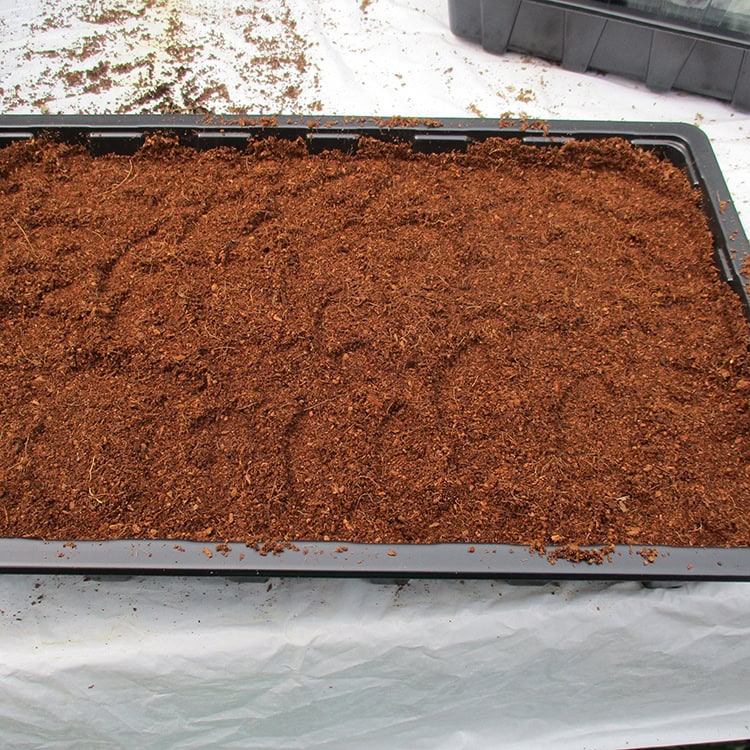

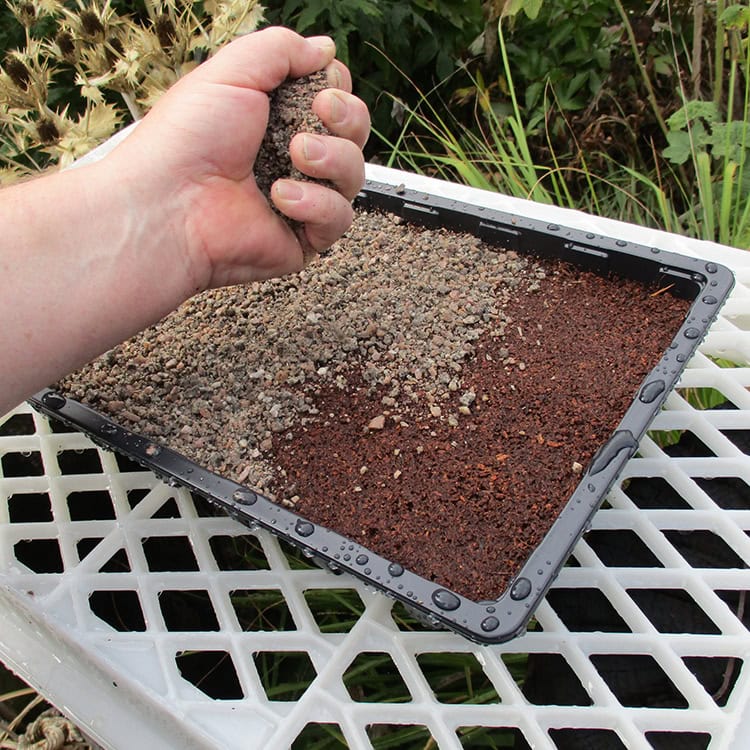
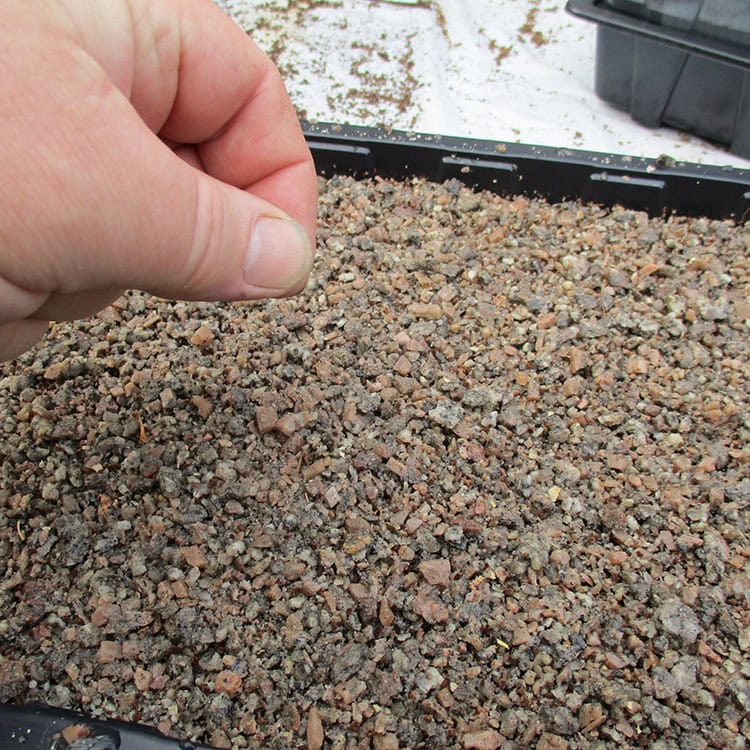
I use a full-sized seed tray and lid as I am aiming to sow quite thinly to produce stocky seedlings. Firstly, the tray is filled not quite to the top with either a coir or multipurpose peat-based compost, levelled off and firmed. The tray is watered thoroughly with a fine rosed watering can and allowed to drain, before placing a layer of Elixir Horticultural Potting Grit on the surface, about four large handfuls provides about 5mm of grit cover which is ideal to create lots of crevices for the seed to lodge in whilst stopping moss and algae growing on the compost surface.
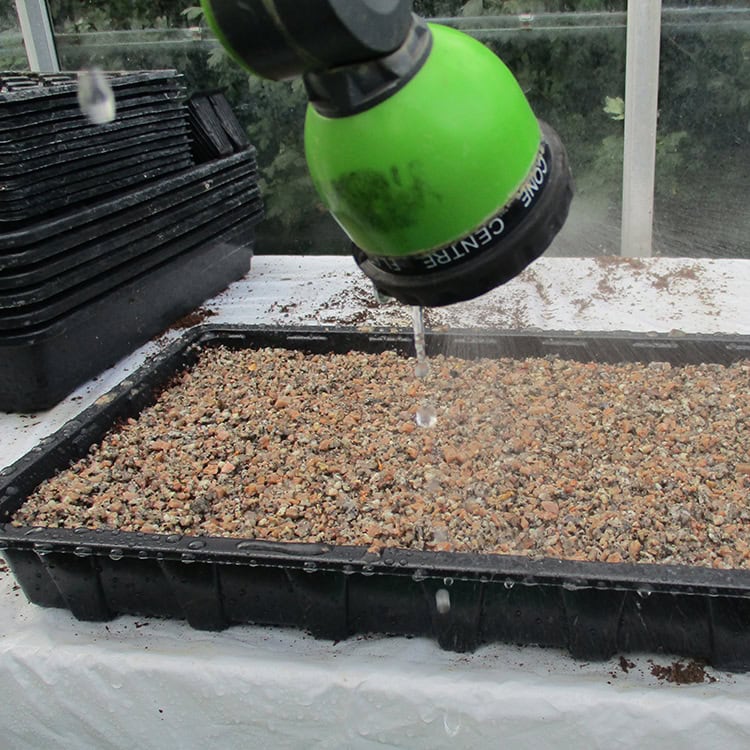
The Cowslip seed is sown thinly onto the grit, but as cowslips require light for germination no further covering of grit is needed. Water again with a mist spray just to work the seed in between the grit particles before covering with the plastic lid
I secure the lid with either large elastic bands or tie it on to prevent winter winds blowing it off and place the tray outside in a well-lit place but out of direct sunlight.
All you now need to do is to check that the surface of the seed tray remains moist, the lid somewhat aids this and also prevents leaves, debris and weed seeds being blown in, helps to keep slugs off emerging seedlings and prevents the odd blackbird from gardening!

The tray is going to stay outside all winter – you may think nothing is happening but the cold winter weather will help the seed to break down Abscisic Acid, a dormancy hormone found in the seed coat and embryo which very effectively prevents the seed germinating at the wrong time of the year. The warming spring temperatures triggers the seed to produce another hormone Gibberellic acid, which quickly brings about an increase in metabolic processes which bring about germination. This process is known as vernalisation and occurs not only in many seeds, but is the mechanism that controls leaf fall and bud burst in deciduous trees and shrubs and dormancy in the buds of herbaceous perennials.
We as gardeners can get very disappointed when our plants don’t germinate, but understanding which ones need a cold spell and need to be sown in the autumn will guarantee success. By March (although dependant on weather) you should see the first seedings germinating and when established the lid can finally be removed,
In addition to Cowslips, I am also sowing Echinacea in exactly the same way as they also need a cold spell and light to successfully germinate. For me sowing Echinacea in the spring will produce a failure or two or three seedlings from a packet, but Autumn sowing will guarantee success. As the seed is larger just press it into the grit and mist as for cowslips. I use an Elixir four cell pack tray for this as I only need a few seedlings of many species, I can maximise space and get eight separate species or cultivars in a standard seed tray.
This technique also works well for herbs such as wild ransoms Garlic and Good King Henry (Chenopodium bonus Henricus) which can be tricky to germinate in spring without a few weeks in the fridge!
Hollyhocks and Digitalis (foxglove) cultivars such as Suttons Apricot and Pam’s Choice also germinate very quickly from a September sowing on grit as they need light but no cold spell. I sow the tiny seed of foxglove mixed with a pinch of sand the aim being to sow very thinly to provide large seedlings to overwinter and prick out early in the spring. The large seed of Hollyhock can be space sown on the grit and pressed in.
Lupins can also be sown now. Modern Russell cultivars do not need a cold period and will germinate quite readily within two weeks of sowing. Cultivars such as ‘The Governor’, ‘The Chatelaine’ and ‘Nobel Maiden’ can either be sown into a pot for pricking out early next spring or if you have space sown direct into a 20cell module tray. I prefer the latter as lupins like any legume really objects to being pricked out.
Lupins are best sown in a greenhouse now and moved to a cold frame in late autumn to over winter. If they are large enough the cool weather will aid the formation of flower buds and they should produce a good flower next summer.
Sowing Perennials at this time of the year is generally trouble free, but keep an eye out for slugs and treat with Elixir Ultimate Slug Killer, as necessary – particularly on the lupins and emerging seedlings are particularly attractive and tender!

Chris Jones
Based in Shropshire Chris has many years experience both in growing projects of his own and passing on his expert outdoor knowledge to others through growing and gardening societies. Keep an eye on our blog posts and newsletters for his seasonal articles to keep you well informed on all things outdoors.



About Elixir Gardens Supplies
For over 35 years Elixir Garden Supplies have been providing gardeners with all the essentials they need to achieve growing.
Our online store makes sure that all our customers have access to the information they need to make the right decisions when choosing the products they need for their gardens. We know from experience that gardening means many different things to our customers. Whether you have a balcony, patio, lawn or allotment, Elixir Gardens are proud to supply both amateur and professional gardeners alike.
We regularly use our many years of experience to developed our exclusive formulations in specialist fertilisers. Many of these have stood the test of time and have become firm favourites with amateurs and professionals alike. In fact our knowledge of fertilisers, feeds and garden care is well known within gardening circles. But don’t just take our word for it, why not check out the thousands of fantastic reviews on Trustpilot.
