Lawn Weed Treatment Calendar
Follow our month-by-month lawn weed treatment calendar to learn when to identify, treat and prevent common lawn weeds. Discover the best times to apply weed killer and maintain a healthier, greener lawn.
At Elixir Garden Supplies, one of the most important pieces of advice we give our customers is that successful weed control isn’t just about choosing the right weed killer, it’s about applying the right product at the right time of year.
Many gardeners focus on selecting a product, whether that’s Hytrol Selective Lawn Weedkiller for broadleaf weeds in established lawns or a Glyphosate Weedkiller for patios, driveways and gravel, but often overlook one of the biggest factors influencing success: timing.
Throughout the UK, weeds grow differently as the seasons change. Some species emerge in early spring, others thrive during the warmer summer months, while perennial weeds begin storing energy in their root systems during autumn. Understanding these natural growth cycles allows you to treat weeds when they’re most vulnerable.
Weather conditions also play a major role in how well weed killers perform. Temperature, rainfall and active plant growth all affect how effectively herbicides are absorbed. Applying a weed killer while weeds are actively growing generally delivers much better results than treating dormant or drought-stressed plants.
A seasonal approach doesn’t just help eliminate existing weeds, it also reduces the likelihood of future infestations by encouraging healthier, denser grass. Combining timely weed control with regular lawn maintenance, such as feeding with a Spring & Summer Lawn Fertiliser and repairing thin or bare areas using Premium Hard-Wearing Grass Seed, creates a stronger lawn that’s naturally better at competing with weeds.
The Quick Answer...
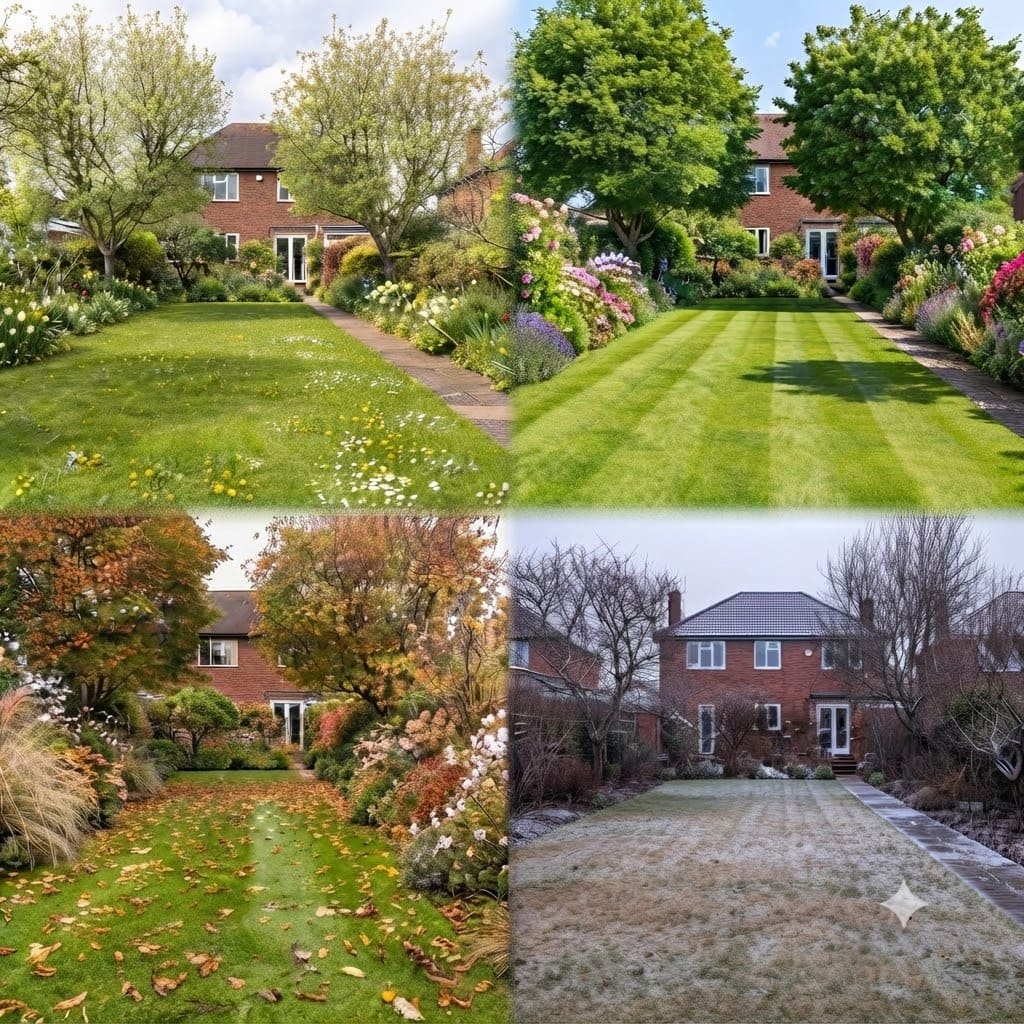
The best time to apply weed killer is when weeds are actively growing, typically during spring and early autumn.
These seasons provide the ideal combination of mild temperatures, healthy leaf growth and favourable weather conditions, allowing systemic weed killers to move effectively throughout the plant.
As a general guide:
- Spring (March–May): Excellent for treating young annual weeds and actively growing lawn weeds
- Summer (June–August): Continue treatment during mild weather but avoid prolonged heat and drought
- Autumn (September–October): One of the best times to control perennial weeds before winter
- Winter (November–February): Weed growth slows significantly, so treatment is usually less effective
Always apply weed killers according to the product label and choose calm, dry conditions for the best results.
In This Guide
In this guide, you’ll discover:
- The best months to apply weed killer
- Which seasons offer the most effective weed control
- When to avoid spraying
- Recommended lawn maintenance alongside weed treatment
- How to keep your garden healthier all year round
Whether you’re maintaining an established lawn, clearing weeds from patios and driveways or preventing weeds from returning after treatment, this calendar will help you plan your weed control programme with confidence.
Understanding Seasonal Weed Growth
Plants respond to changing daylight hours, soil temperatures and moisture levels throughout the year.
Because weed killers rely on healthy plant growth for effective absorption, understanding these seasonal changes allows you to achieve better long-term results.
Annual weeds are generally easiest to control while young and actively growing, however perennial weeds often respond particularly well during autumn as they naturally move nutrients into their root systems before winter.
Rather than treating weeds whenever they appear, following a planned seasonal programme can significantly improve success while reducing unnecessary applications
January
January is typically one of the quietest months for weed growth.
Cold temperatures and shorter daylight hours mean that most annual and perennial weeds are dormant, making weed killers much less effective.
Rather than spraying, use this time to inspect your garden, remove any visible weeds by hand and plan your weed control programme for spring.
Weed Growth: Dormant to very slow.
Treatment Recommendation: Avoid applying weed killer unless the product label specifically advises winter use. Focus on planning, garden maintenance and cleaning spraying equipment.
Febuary
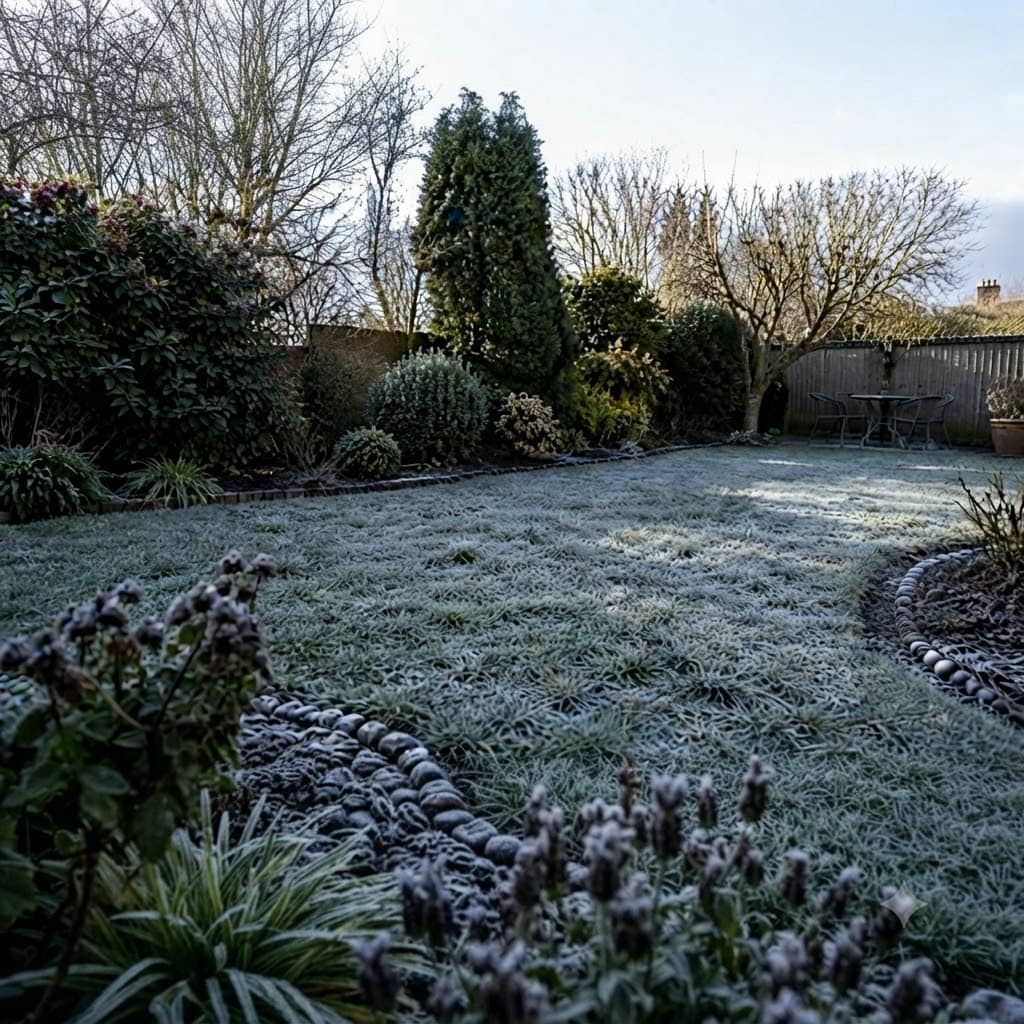
As daylight begins to increase, some weeds may show early signs of growth during milder weather, although most remain relatively inactive.
This is an excellent time to prepare lawns and hard surfaces before the main growing season begins.
Weed Growth: Slow, with occasional early growth during mild spells.
Treatment Recommendation: Continue monitoring for emerging weeds, prepare equipment and schedule your first treatments for early spring when active growth begins.

March
March marks the start of the main weed growing season.
Rising soil temperatures encourage both lawn weeds and garden weeds to become actively established.
Young weeds are generally easier to control at this stage, making this one of the best times to begin treatment.
Weed Growth: Active growth begins.
Treatment Recommendation: Start applying suitable weed killers during periods of mild, dry weather. Selective lawn weed killers Like Hytrol are ideal for controlling broadleaf weeds in established grass.
April
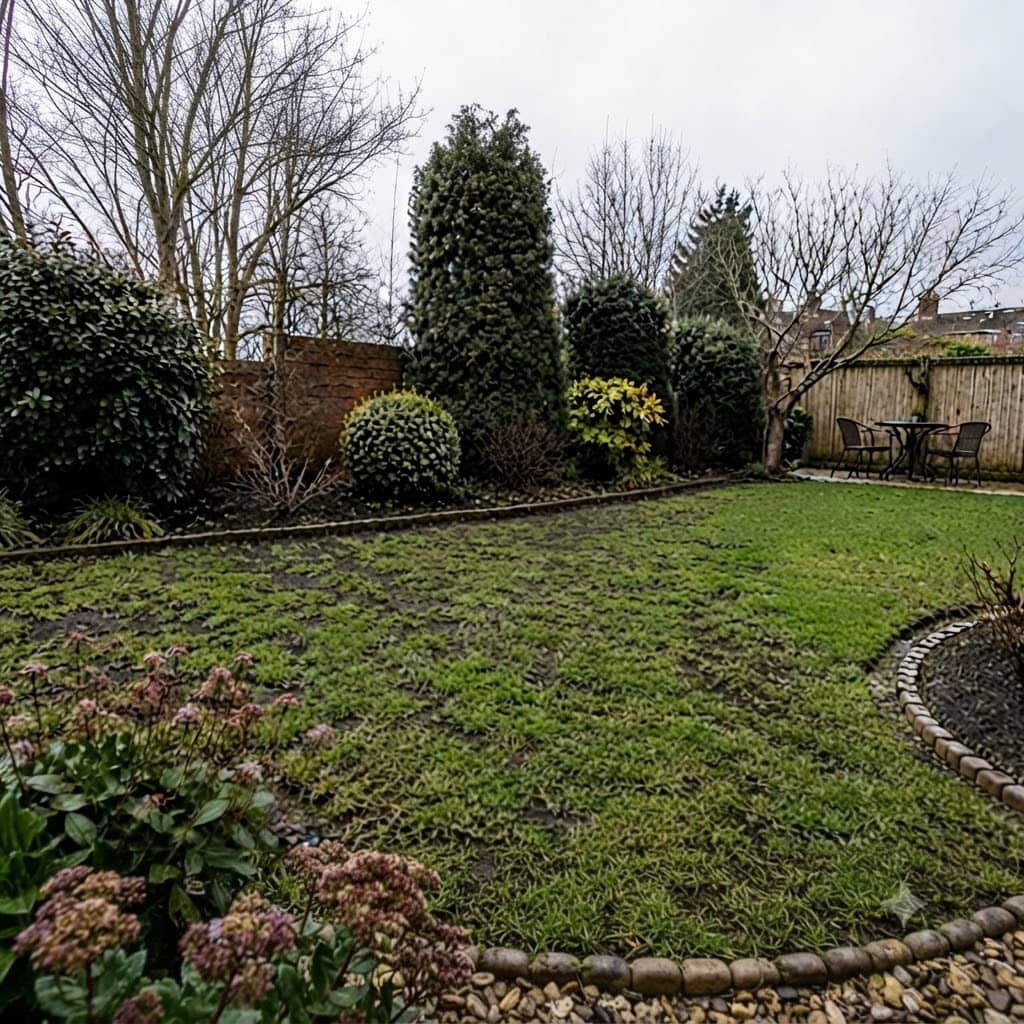
April is one of the most effective months for weed control.
Weeds are actively growing, temperatures are usually mild and moisture levels are often favourable for herbicide uptake.
Treating weeds now can prevent them from becoming well established later in the season.
Weed Growth: Strong and vigorous.
Treatment Recommendation: Continue treating actively growing weeds.
Check weather forecasts before spraying and avoid windy or rainy conditions.
Repair any bare lawn patches after weed treatment to reduce the risk of new weeds establishing.

May
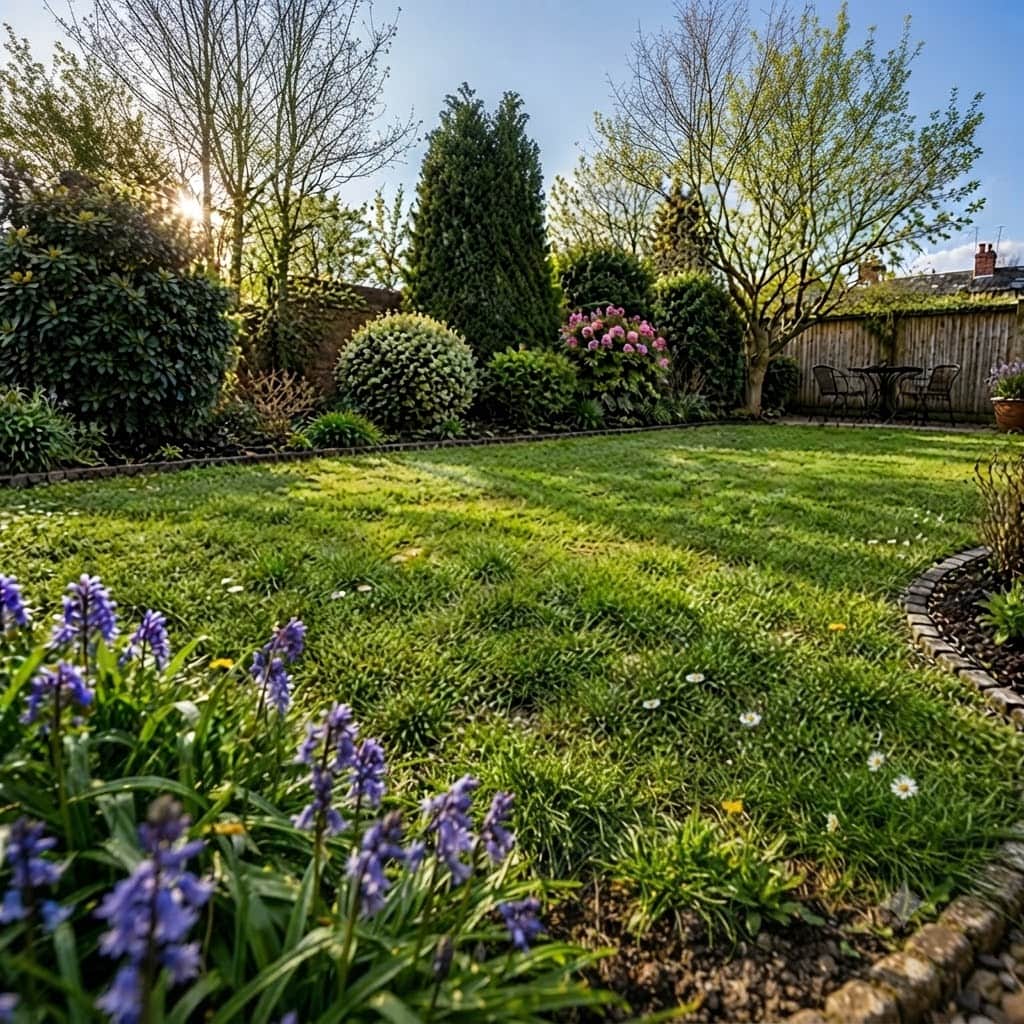
May is often considered the peak month for lawn weed control.
Broadleaf weeds such as dandelions, clover, daisies and plantain are actively growing and readily absorb systemic herbicides.
Healthy lawns also respond well to fertilising and overseeding during this period.
Weed Growth: Peak growth.
Treatment Recommendation: Apply a lawn weed killer Such as Hytrol Selective Lawn Weedkiller where required, feed the lawn with Spring & Summer Lawn Fertiliser to encourage thicker grass and overseed thin areas with Premium Grass Seed once product label guidance allows.
Regular mowing also helps maintain a dense, healthy lawn
June
June continues to offer excellent weed control opportunities provided temperatures remain moderate and soil moisture is adequate.
Both annual and perennial weeds are actively growing, making them suitable for treatment.
Weed Growth: Active.
Treatment Recommendation: Continue treating weeds during calm, dry weather. Avoid spraying immediately before heavy rain and ensure lawns are not drought-stressed before application.

July
Hot weather can reduce the effectiveness of weed killers if weeds become stressed or dormant during prolonged dry periods.
Although weeds may still be present, herbicide uptake often slows during heatwaves.
Weed Growth: Variable depending on weather.
Treatment Recommendation: Avoid spraying during extreme heat or drought.
Wait until temperatures become milder or rainfall encourages fresh growth before applying weed killer.
August
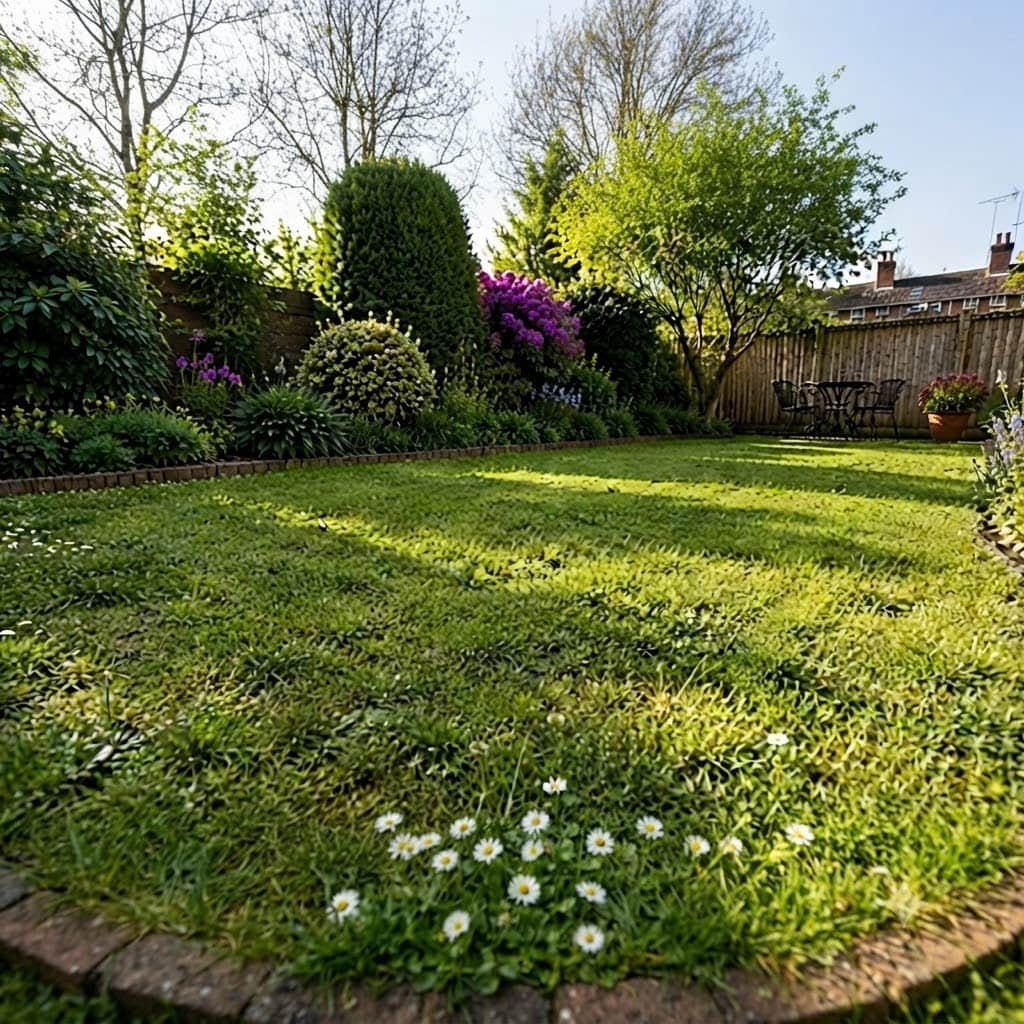
Weed growth varies throughout August depending on rainfall.
After periods of rain, weeds often recover quickly and begin actively growing again, creating another good opportunity for treatment before autumn arrives.
Weed Growth: Moderate to active after rainfall.
Treatment Recommendation: Treat weeds once active growth resumes.
Continue regular lawn maintenance and remove any weeds that have flowered before they produce seed.

September
September is widely regarded as one of the best months for controlling perennial weeds.
As plants begin moving nutrients into their roots before winter, systemic weed killers are carried deeper into the plant, improving long-term control.
Weed Growth: Strong autumn growth.
Treatment Recommendation: Apply weed killer during mild, dry weather.
This is also an excellent time to repair lawns, overseed bare patches and strengthen grass before winter.
October
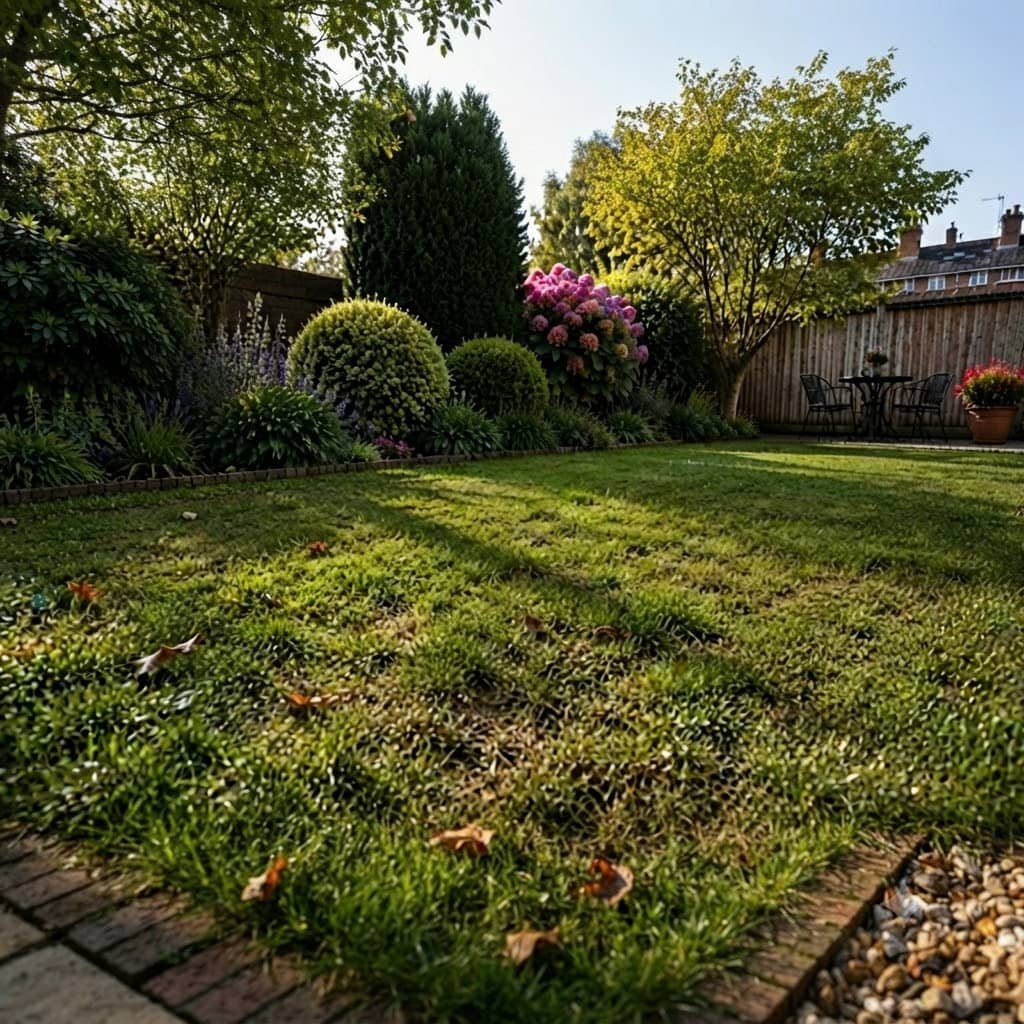
Although growth begins slowing during October, many weeds remain active while temperatures stay mild.
This provides one final opportunity to treat established weeds before winter dormancy begins.
Weed Growth: Slowing but still active.
Treatment Recommendation: Complete final lawn and hard surface weed treatments.
Clear fallen leaves, improve lawn health and prepare the garden for winter.

November
Cooler temperatures reduce weed growth considerably.
While some weeds may remain green, overall plant activity slows and herbicide uptake becomes less effective.
Weed Growth: Slow.
Treatment Recommendation: Limit chemical treatments unless conditions remain unusually mild.
Hand remove isolated weeds and concentrate on improving drainage, removing debris and preparing equipment for storage.

December
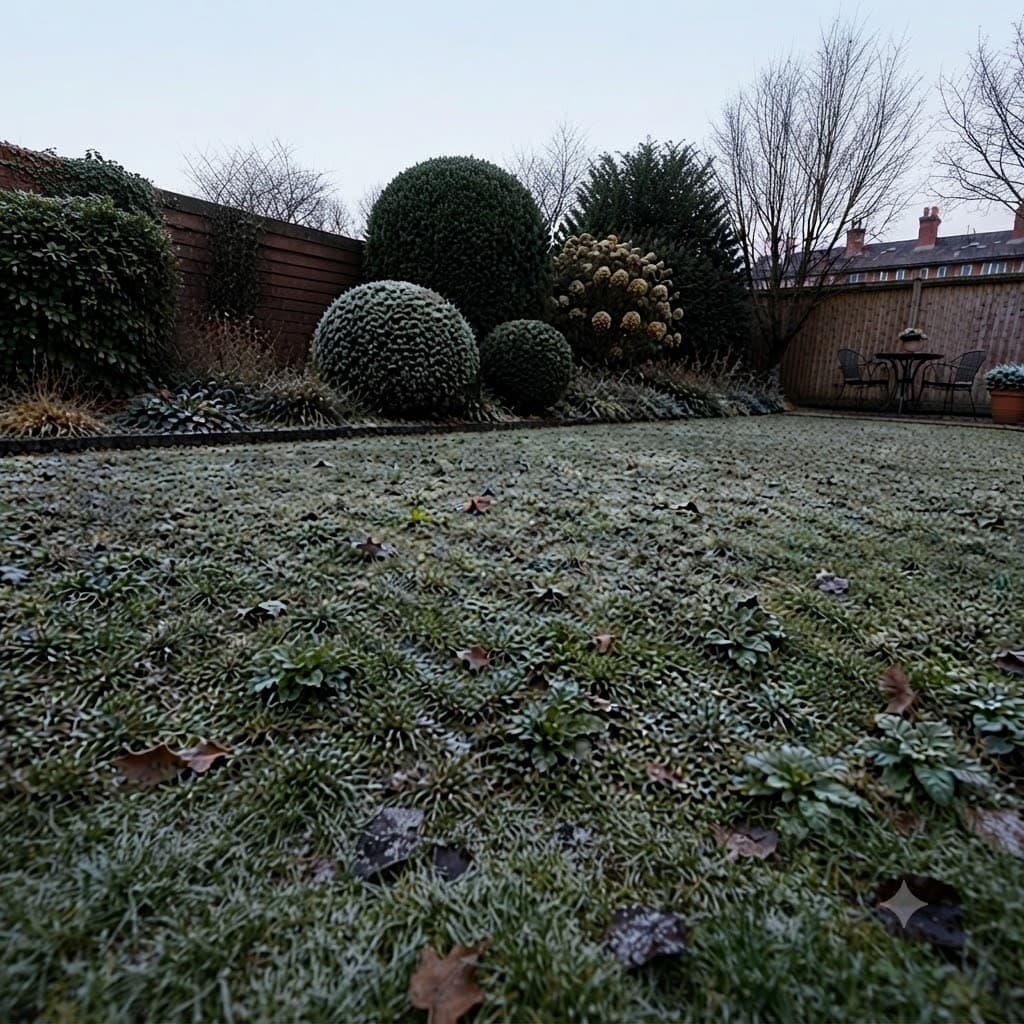
December is primarily a maintenance month rather than a treatment month.
Most weeds are dormant, and applying weed killer generally provides little benefit. Instead, use this time to review the year’s weed problems and prepare for the coming season.
Weed Growth: Dormant.
Treatment Recommendation: Avoid routine weed killer applications.
Focus on garden planning, equipment maintenance, cleaning sprayers and identifying areas that may require treatment when spring arrives.
Expert Tip
Think of weed control as year-round garden maintenance rather than a one-off job.
Regular monitoring, healthy lawns and timely treatments often produce better long-term results than repeated spraying after weeds have become well established.
Hytrol Selective Lawn Weedkiller Concentrate
Best for:
- Established lawns
- Broadleaf weeds
- Routine lawn maintenance
Why choose this product?
If your lawn contains broadleaf weeds but you want to keep the grass, we believe a selective lawn weed killer is the correct choice.
Hytrol is formulated to target many common broadleaf weeds while allowing established grass to continue growing when used according to the product instructions. This makes it ideal for homeowners looking to improve the appearance of their lawn without having to reseed the entire area.
Recommended when:
- Your lawn is otherwise healthy
- Broadleaf weeds are spreading
- You want to preserve existing grass
Ready-to-Use Hytrol Selective lawn Weed Killer
Best for:
- Small gardens
- Spot treatments
- Occasional maintenance
- Homeowners who prefer not to mix concentrates
Why choose this product?
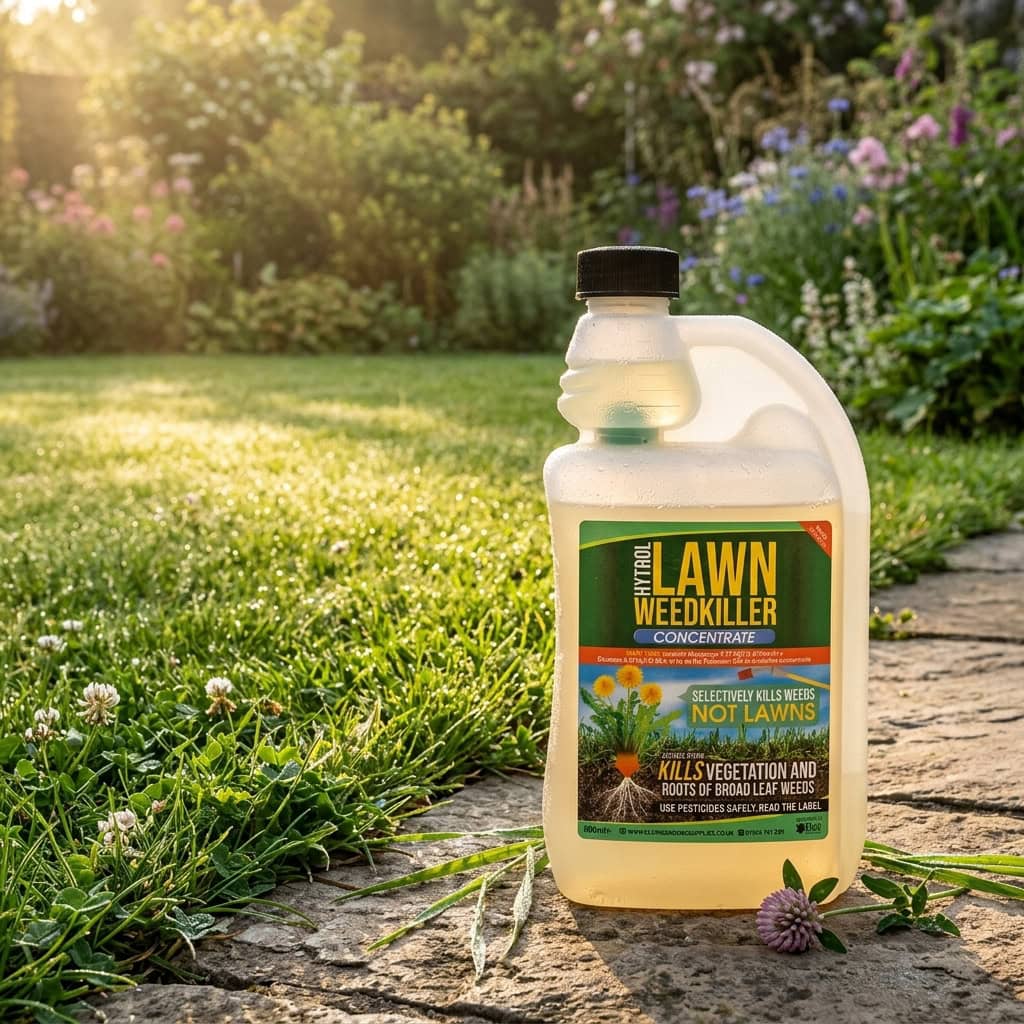
Ready-to-use Hytrol is intended for spot treatment of broadleaf weeds growing within established lawns. It offers the convenience of a pre-mixed formulation while helping preserve surrounding grass when applied according to the label.
Recommended when:
- Weeds are growing within established grass
- Only a small lawn area needs treatment
- The customer does not want to measure or dilute concentrate

Premium Hard-Wearing Grass Seed
Best for
- Bare patches
- Overseeding
- Lawn renovation
- High-traffic gardens
Why choose this product?
Once the recommended waiting period has passed, overseeding with a durable grass seed helps restore lawn density and reduces the opportunity for weeds to return.
Elixir’s Premium Hard-Wearing Grass Seed contains a blend selected for strong establishment, durability and year-round appearance, making it suitable for both patch repairs and larger lawn renovation projects.
Recommended when:
- Repairing bare patches after weed control
- Overseeding thin lawns
- Renovating worn grass areas

Bumper Crop Pre-Seed Lawn Fertiliser
Best for
- Supporting root development
- Encouraging thicker grass growth
- Improving lawn health after repair
Why choose this product?
Bumper Crop Pre-Seed Lawn Fertiliser is ideal for preparing soils for reseeding or patch repair. It helps promote stronger root systems and encourages a denser sward that naturally competes against future weeds.
Using fertiliser as part of your ongoing lawn care routine helps maintain colour, vigour and long-term resilience.
Recommended when:
- Preparing the soil before overseeding or patch repairs
- Establishing new grass after weed or moss treatment
- Encouraging faster root development and early growth
- Repairing thin, worn or damaged lawns
- Creating a thicker, healthier lawn that naturally suppresses future weed growth

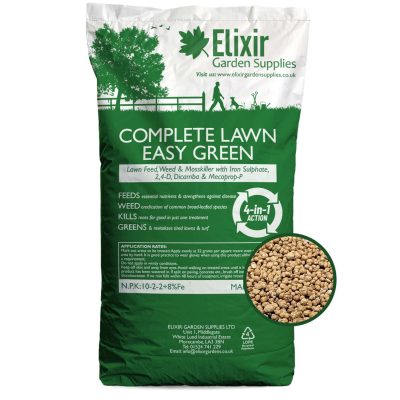
Complete Lawn Weed, Feed & Moss Killer 4-in-1
Best for
- Established lawns
- Controlling moss
- Broadleaf weeds
- Feeding the lawn
- All-in-one lawn maintenance
- Improving lawn colour and density
Why choose this product?
If your lawn is affected by weeds, moss and weak grass, Complete Lawn Weed, Feed & Moss Killer 4-in-1 provides a convenient all-in-one solution. It combines lawn feed, selective weed control and moss treatment in a single application, helping to improve the overall health and appearance of established lawns when used according to the product label.
Recommended when
- Your lawn contains both weeds and moss
- You want to feed and improve your lawn while controlling weeds
- You’re carrying out routine spring or autumn lawn maintenance
- You prefer a convenient all-in-one lawn treatment rather than using separate products

Summary
Applying weed killer at the right time of year can make a significant difference to how effectively it controls weeds. Different weed species grow at different times, and factors such as temperature, rainfall and active plant growth all influence how well herbicides perform. By understanding the seasonal growth cycle of lawn weeds, you can plan treatments when weeds are most vulnerable, helping to achieve better long-term control while reducing the need for repeat applications. This month-by-month lawn weed treatment calendar explains the best times to apply weed killer, when to avoid treatment and how to combine weed control with good lawn maintenance for healthier, weed-resistant grass throughout the year.
Read More...
Frequently Asked Questions
Can I apply weed killer in winter?
Most weed killers are less effective during winter because weeds are dormant or growing very slowly. Unless the product label specifically recommends winter use, it’s usually better to wait until spring when active growth resumes.
Should I spray weeds during hot weather?
Avoid applying weed killer during prolonged periods of hot, dry weather. Drought-stressed weeds absorb herbicides less effectively, reducing the overall performance of the treatment. Wait until temperatures are milder or after rainfall has encouraged fresh growth.
Is spring or autumn better for treating weeds?
Both seasons are excellent. Spring is ideal for controlling young annual weeds and actively growing lawn weeds, while autumn is particularly effective for treating perennial weeds as they transport nutrients down to their root systems before winter.
Does rain affect weed killer?
Yes. Heavy rain shortly after application can wash some products away before they have been absorbed. Always check the weather forecast and apply weed killer during calm, dry conditions, following the guidance on the product label.
Can I mow my lawn before applying weed killer?
Yes, but it’s generally recommended to mow a few days before treatment rather than immediately beforehand. This allows enough leaf surface for the weed killer to be absorbed while keeping the lawn tidy.
Follow the Instructions
Every gardening product is designed to be used in a specific way. Always read the product label and follow the manufacturer’s instructions before use. Correct preparation, application and timing help ensure the best possible results while promoting safe and responsible use.
Wear Appropriate PPE
Some products may require suitable personal protective equipment (PPE) during handling or application. Depending on the product, this may include gloves, eye protection or protective clothing. Always check the product label to determine the recommended safety precautions before use.
Application Rates
Using more product than recommended will not usually improve performance and may lead to unnecessary waste or undesirable results. Measure accurately, apply evenly and follow the recommended application rates and guidance provided on the product label.
Rhys Nield
As one of our resident product experts, Rhys has spent the last 2 years helping keen gardeners and growers from within our customer services department. Remember to save this page, or visit the Advice Centre, for the latest tips, articles, and expert knowledge, to help you make your garden the best it can be.


About Elixir Gardens Supplies
For over 35 years Elixir Garden Supplies have been providing gardeners with all the essentials they need to achieve growing.
Our online store makes sure that all our customers have access to the information they need to make the right decisions when choosing the products they need for their gardens. We know from experience that gardening means many different things to our customers. Whether you have a balcony, patio, lawn or allotment, Elixir Gardens are proud to supply both amateur and professional gardeners alike.
We regularly use our many years of experience to developed our exclusive formulations in specialist fertilisers. Many of these have stood the test of time and have become firm favourites with amateurs and professionals alike. In fact our knowledge of fertilisers, feeds and garden care is well known within gardening circles. But don’t just take our word for it, why not check out the thousands of fantastic reviews on Trustpilot.
